Build steadier rhythm guitar timing with five beginner skills, starting at 60 bpm with E minor. See how counting, strumming and muting keep the pulse steady.
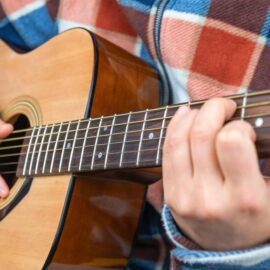
Build steadier rhythm guitar timing with five beginner skills, starting at 60 bpm with E minor. See how counting, strumming and muting keep the pulse steady.

Scat singing turns “doo,” “bah,” and “dat” into jazz improvisation. Learn how syllables shape a solo, where scat began, and how to start. Explore the guide.
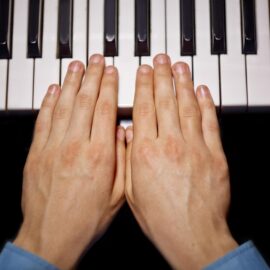
Turn jazz piano chord symbols into music with seventh chords, smooth voicings, ii–V–I progressions and a 12-bar blues in C. Start with the practical lessons.

What is yacht rock music? Explore its jazz chords, R&B grooves and Southern California roots, plus what sets it apart from soft rock. See the full guide.
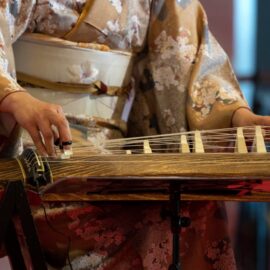
The koto instrument uses movable bridges and finger pressure to shape its singing sound. Learn how it is built and played, plus what to check before buying.

Meet 10 famous opera singers, from Melba to Flórez, through the nights and records that made their names. See how Caruso, Callas and Pavarotti changed opera.

Explore 12 types of blues, from rural Delta guitar to electric Chicago bands, with a recording and sound cues for each style. See all twelve genres here.
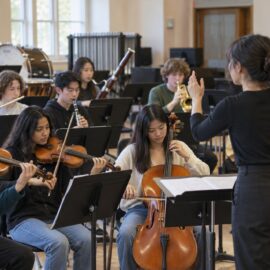
Instrument families group instruments by how they work, not just material. Learn why a silver flute is a woodwind and compare all four in the article.
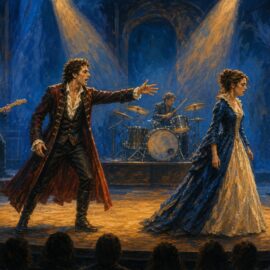
What makes a rock opera more than a concept album? Follow six stories from 1967 to 2004 and see how characters and plot connect the songs. Explore the examples.

What makes a jazz band work? Compare the Jazz Messengers and Count Basie Orchestra through melody, harmony, bass and rhythm. Explore their roles and lineups.
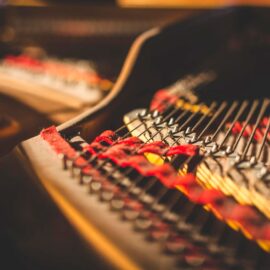
The zither instrument spans a worldwide family and an Alpine model with five fretted strings. Clear up the difference and explore its sound and history here.

Explore nine types of rock music through defining sounds, from rock and roll's backbeat to post-rock's slow build, with recording examples. See the guide.
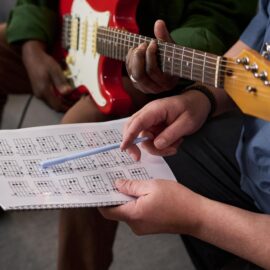
The 12 bar blues turns A, D and E into a repeating 12-measure pattern. Learn the chord changes, quick change and turnaround, then explore the bar-by-bar guide.

Trace hip hop dance from 1970s Bronx parties to breaking and social steps, with cultural context and first moves to practice at home. Explore the roots.

The blues scale adds one note to a pentatonic shape. Compare major and minor formulas in G and learn how blue notes resolve over 12-bar blues. See the guide.

Opera music's familiar tunes can hide deadly bets and deception. Get the stage stories and listening cues behind 12 famous opera songs—explore the article.
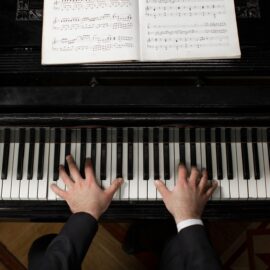
Learn piano scales with all 12 major and 12 natural minor scales, ascending notes and both-hand fingerings. Build confident practice—see the scale breakdown.
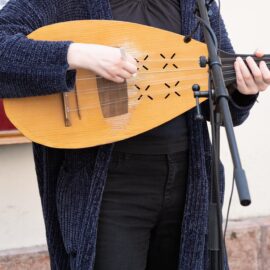
The lute instrument pairs a bowl-shaped body with strings in courses. Learn its oud origins, Renaissance role and differences from guitar in the article.
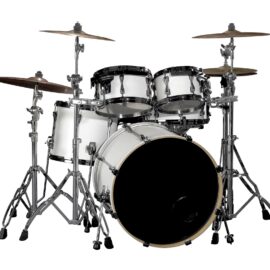
Explore types of drums, from the snare's sharp crack to the bass drum's low pulse. Learn how individual drums, families and kits are used. Read the guide.
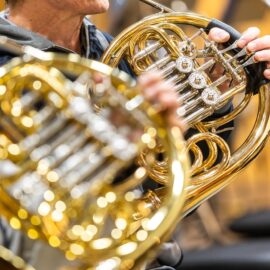
What makes the hardest instrument to play so demanding? Compare 11 instruments by tone, pitch, coordination and advanced technique. See where each gets tough.
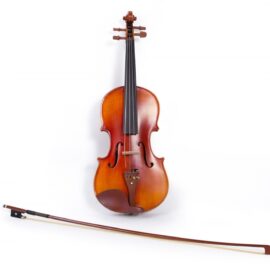
Learn how the parts of a violin hold tension, change pitch and create sound, including why the bridge needs no glue. Explore each part and its role here.
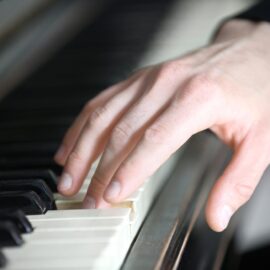
The chromatic scale uses all twelve pitches in equal half steps. Learn the note names, sharps and flats, and piano and guitar basics. See how it works.
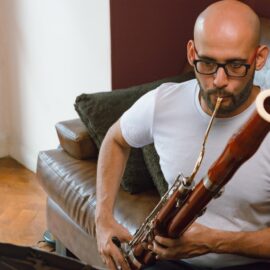
The bassoon instrument folds 2.5 meters of tubing into a low double-reed woodwind. Learn how its parts shape its sound and fit the player's hands. Read more.

Learn the parts of a song, from intro to outro, and how hooks differ from refrains, with examples from Rihanna and Bob Dylan. Explore the section breakdown.

Fiddle vs violin: the same instrument, tuned G-D-A-E, with different musical traditions. Compare rhythm, learning and setup choices in this practical guide.
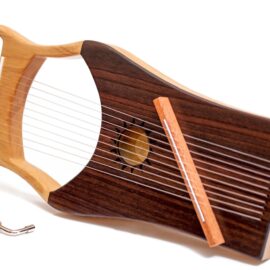
A lyre instrument has strings stretched over a soundbox. Learn how its history, tuning and range can guide your first choice. Explore the beginner guide.

Learn guitar scales with five pattern sets, A roots and playable fingerings. See how A minor and C major share notes, then explore the patterns in the article.
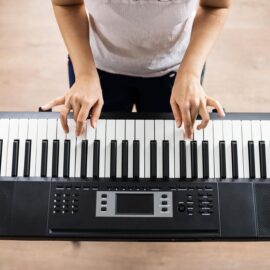
How many keys on a piano? Most have 88: 52 white and 36 black. Learn why that range stuck and how other keyboards differ. See which range fits your needs.
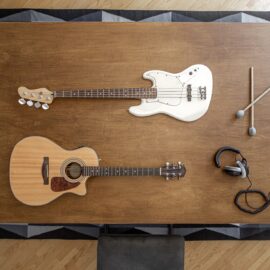
Learn the parts of a guitar by headstock, neck and body, with acoustic and electric differences explained so you can identify each part. See the breakdown.
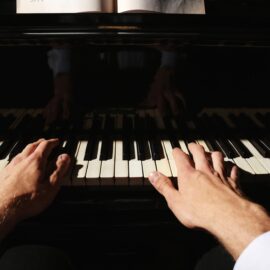
Learn five easy piano songs with right-hand chords and left-hand bass notes. Get chord notes, beat counts and a 60 BPM practice plan—see the arrangements.
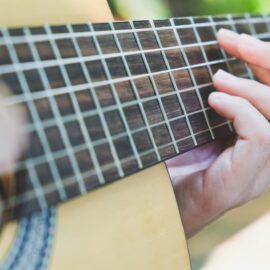
Learn the C major scale with C, D, E, F, G, A and B, piano fingerings and five guitar shapes. Build a simple daily practice routine—see the notes and steps.
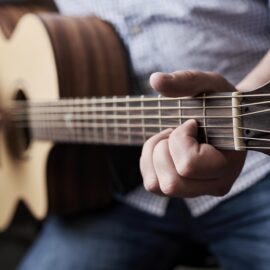
Learn guitar notes from E, A, D, G, B, E tuning, count frets in semitones, and use octave checks to find notes with confidence. See the step-by-step guide.
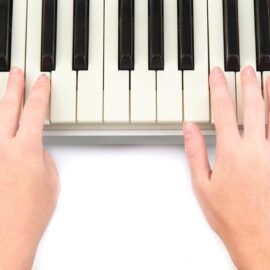
Build piano chords by counting half steps from the root, read symbols like Am, and play C–G–Am–F with both hands. See how the notes fit together in the guide.
Use the circle of fifths to read key signatures, find relative minors, and choose chords that bring a song home. See how the wheel connects keys and harmony.

The easiest instrument to learn depends on your goal: ukulele chords or a first keyboard melody. Compare 10 picks and their learning curves to find your fit.
Name intervals in music by counting letters and measuring semitones. See how D and A form a perfect fifth, with note pairs to clarify rules. Explore the guide.
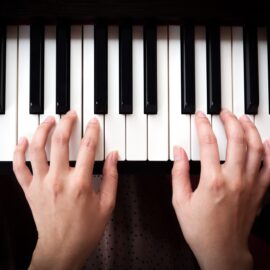
Compare musical modes with C as home, from Ionian to Locrian. See how changing B to B♭ shifts a melody's character and helps you write. Explore the guide.
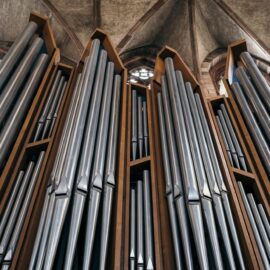
An organ instrument sustains notes with pressurized air. Learn how pipes, keys and stops shape its powerful sound, from flute-like tones to bass. Read more.
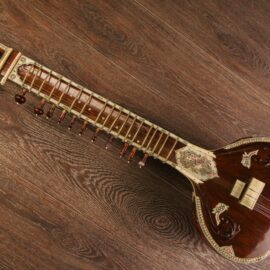
Indian classical music pairs raga melodies with tala cycles. Understand Hindustani and Carnatic traditions, instruments and performance. Explore the article.

House music pairs a steady kick with syncopated bass. Explore its Chicago club roots, key styles, and track-building basics in this guide. Get the breakdown.

Explore bebop jazz through Parker and Gillespie, quick-turning melodies, and solos against a steady beat. Get a clearer way to follow the music—read more.
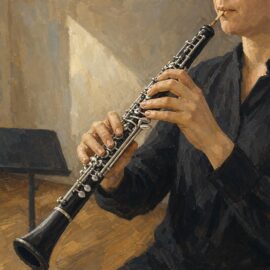
An oboe's clear, penetrating sound starts with two cane blades. Learn how its body, reed and keys work, plus beginner care and costs. Explore the article.
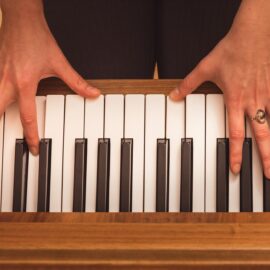
Build a major scale from any note using whole and half steps. Learn note spelling, piano and guitar patterns, and scale-built chords. Explore the guide.

Learn the pentatonic scale with major and minor patterns, E minor guitar frets 0–3–5–7–10, and ways to turn five notes into phrases. Explore the essentials.
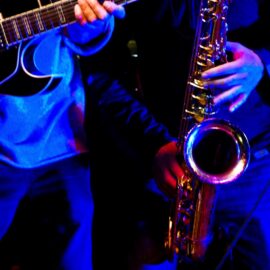
Jazz fusion pairs improvisation with rock and funk grooves. Learn how electric instruments shaped its sound, from Miles Davis to Weather Report. Read more.
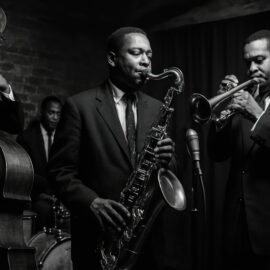
Cool jazz pairs clear light tone and measured phrasing with a hard-swinging beat. Learn how space and ensemble writing shape its sound—explore the article.
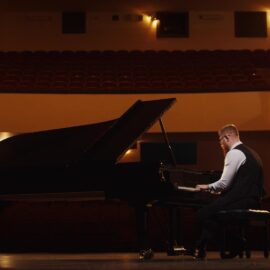
Explore classical music composers through 12 accessible first works, from Bach's flowing chords to Beethoven's four-note rhythm. See all 12 selections.

Emo music began in D.C. hardcore, where Rites of Spring made vulnerability sound physical. Trace its changing sound and what connects the styles. Read more.

Explore 12 types of jazz, from New Orleans' overlapping horns to bebop's sharp turns. Learn how rhythm and interplay shape each style. See all twelve styles.
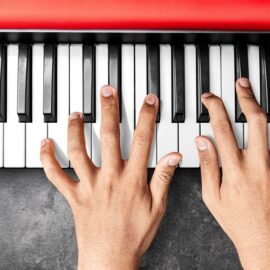
A music scale links ordered notes, keyboard distances, and a note that feels like home. Understand major and minor patterns and scale degrees. Read the guide.