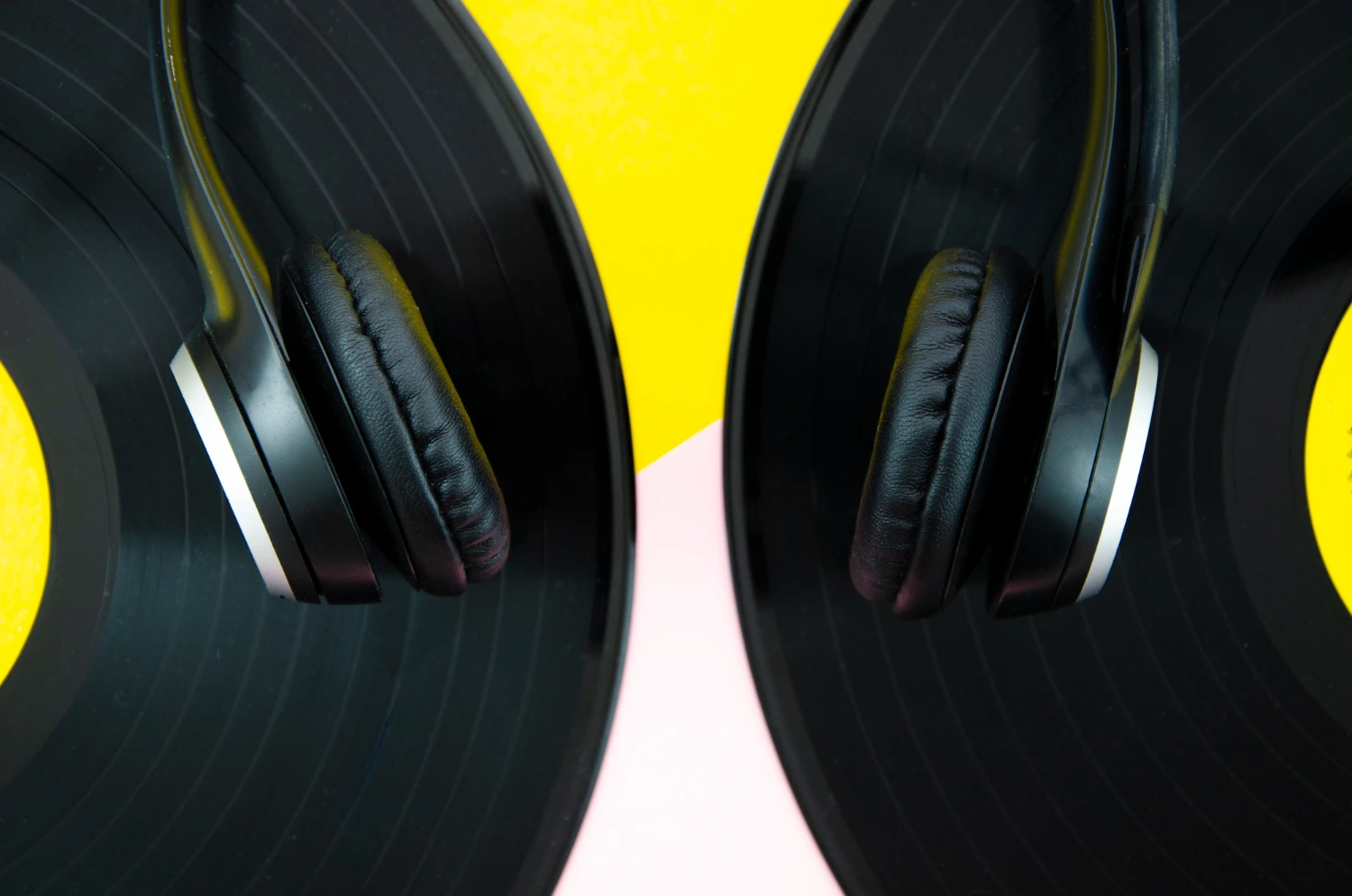
The best audiophile headphones are the ones that reveal music you’ve heard dozens of times in a way you haven’t heard it before. That sounds like marketing language, but it’s actually the most useful definition — because it focuses on the experience rather than specifications that most people can’t evaluate out of context.
Audiophile headphones exist on a spectrum from $100 to $6,000 or more. The performance differences at the high end are real but increasingly marginal. The differences between a $100 consumer headphone and a $300 entry-level audiophile pair, on the other hand, are substantial and immediately noticeable. Understanding where the meaningful jumps are — and what you’re actually getting when you pay more — is the point of this guide.
What Are Audiophile Headphones?
Audiophile headphones are designed for critical listening: hearing music as accurately and completely as possible rather than for casual enjoyment. They prioritize flat frequency response (reproducing all frequencies accurately without boosting bass or treble artificially), wide soundstage (the sense of three-dimensional space in the audio), and low distortion.
Consumer headphones, by contrast, are often tuned for a more immediately pleasing sound — boosted bass, hyped treble, a ‘fun’ signature that sounds impressive on first listen. This isn’t inherently bad. But it adds coloration to the sound that audiophiles generally consider a distortion of the original recording.
The audiophile community draws a distinction between the headphones and everything else in the signal chain. Even the best headphones will sound compromised if the source (your phone, laptop, or streaming player) and amplification (headphone amp or DAC) are inadequate. This is part of why the hobby can become expensive quickly — though it doesn’t have to be.
Open-Back vs. Closed-Back: The Most Important Decision
Before comparing specific models, understanding the open-back vs. closed-back distinction is essential because it determines the listening experience as much as the price does.
Open-back headphones have perforated ear cups that allow air and sound to pass through. This creates a natural, spacious soundstage — the sense that sound is coming from around you rather than from inside your head. They generally sound more accurate and less fatiguing for long listening sessions. The tradeoff: they leak sound in both directions. You can hear your environment, and people near you can hear what you’re listening to. They’re for home listening only.
Closed-back headphones seal around your ears, providing passive noise isolation and preventing sound leakage. This makes them practical for commuting, offices, and recording studios. But the sealed design typically creates a more ‘in-head’ sound that audiophiles find less natural. There are excellent closed-back audiophile headphones — the Beyerdynamic DT 770 Pro and Sony MDR-7506 are widely used in professional recording — but for pure critical listening at home, open-back designs dominate.
Best Audiophile Headphones by Budget
Entry level ($100 to $300): This range is where audiophile listening becomes genuinely accessible. The Sennheiser HD 560S and HD 6XX (MassDrop edition of the HD 650) are consistently recommended starting points. The Audio-Technica ATH-M50x is popular for studio monitoring with a slightly colored but controlled signature. The Beyerdynamic DT 990 Pro offers a bright, energetic presentation that some love and others find fatiguing.
Mid range ($300 to $700): The Sennheiser HD 660S is a refined upgrade on the legendary HD 650, with improved detail retrieval. The Beyerdynamic DT 1990 Pro is a serious studio and critical listening tool with outstanding treble detail. The Hifiman Sundara brings planar magnetic driver technology into a more accessible price bracket — planar magnetic headphones typically offer better bass control and a different kind of resolution than traditional dynamic drivers.
High end ($700 to $2,000): The Audeze LCD-2 is a reference-level planar magnetic headphone with a warm, lush sound that many consider one of the best in this range. The Sennheiser HD 800S is revered for its extraordinary soundstage — wider and more three-dimensional than almost any other headphone at any price. The Dan Clark Audio Aeon RT is a premium closed-back planar magnetic option for listeners who need isolation.
Flagship (above $2,000): The Sennheiser HD 800S, Audeze LCD-4, HiFiMAN Susvara, and Focal Utopia occupy this tier. The performance gains over the high-end tier exist but are incremental. These are for dedicated enthusiasts, not casual upgraders.
Audiophile Wireless Headphones: Worth It?
This is a contested question in audiophile circles, and the answer has shifted significantly in recent years. Bluetooth audio has historically been considered a compromise by audiophiles because of the lossy compression involved in standard Bluetooth codecs (SBC, AAC).
But newer codecs have changed the picture. aptX HD, LDAC (supported by many Sony headphones), and Apple’s AAC implementation have dramatically reduced the audible quality gap between wired and wireless. The Sony WH-1000XM5 and WH-1000XM4 are widely praised as the best wireless headphones with noise cancellation, and audiophiles who once dismissed wireless entirely have largely reconsidered.
For truly critical listening, wired still has an advantage — no compression, no latency, no battery dependency. But for everyday use and commuting, quality wireless headphones now deliver audio that most listeners, including experienced ones, find fully satisfying. The Sennheiser Momentum 4 Wireless and the Bowers and Wilkins Px8 are strong wireless options with genuine audiophile credentials.
Do You Need a Headphone Amp for Audiophile Headphones?
Some audiophile headphones absolutely require a dedicated amplifier to reach their potential. High-impedance headphones — the Sennheiser HD 800S has an impedance of 300 ohms, the Beyerdynamic DT 990 Pro comes in 250 and 600 ohm versions — don’t have enough volume or dynamics when driven by a laptop or phone headphone jack.
Lower-impedance planar magnetic headphones (like many Hifiman models) need current more than voltage, which means they also benefit from dedicated amplification even at modest impedances.
A DAC (Digital to Analog Converter) alongside an amp improves the quality of the digital-to-analog conversion that happens before the signal reaches the headphones. The internal DAC in a phone or laptop is functional but not optimized for critical listening. A dedicated DAC/amp stack in the $100-$300 range — products from FiiO, Topping, or Schiit Audio — makes a meaningful and audible difference with high-end headphones.
The kind of music you listen to matters for headphone selection. Jazz, for example, rewards the wide soundstage and tonal accuracy that audiophile headphones provide. If you’re interested in exploring the best jazz albums of all time through quality headphones, the experience of hearing a well-recorded 1960s Miles Davis album on a good open-back pair is genuinely revelatory.
Frequently Asked Questions About Audiophile Headphones
What does ‘audiophile’ actually mean?
Audiophile refers to someone who is enthusiastic about high-quality audio reproduction and who prioritizes accuracy and fidelity in their listening setup. The term covers a wide range: from people who own well-chosen mid-range equipment to collectors with systems costing tens of thousands of dollars. The core commitment is to hearing recorded music as fully and accurately as the recording allows — which means taking seriously both the source quality (file format, streaming quality) and the playback hardware.
Is expensive audio gear always better?
No. The law of diminishing returns applies sharply to audio equipment. The jump from $50 earbuds to a $200 pair of headphones is dramatic and immediately audible. The jump from $500 to $1,500 is real but requires attentive listening to fully appreciate. The jump from $3,000 to $6,000 is often more about engineering pride and collector appeal than pure sonic improvement that most listeners would notice in a blind test. Buy what you can appreciate, not what the top of the forum post recommends.
What’s the best way to start with audiophile headphones?
Start with a pair in the $100 to $250 range with a solid reputation — the Sennheiser HD 560S, Audio-Technica ATH-AD700X (open-back, for home listening), or Beyerdynamic DT 990 Pro are common entry points. Listen to music you know well. Notice what you hear that you didn’t before. Then decide if you want to go deeper. Many listeners find that entry-level audiophile gear is already a revelation, and they don’t feel the pull to spend more. That’s a perfectly reasonable stopping point.
Hearing Music the Way It Was Meant to Sound
Folk music, with its acoustic instruments and sparse arrangements, benefits dramatically from high-quality headphones because there’s nowhere for a muddy response to hide. Understanding what folk music is and how it developed connects to appreciating why audiophile reproduction matters for acoustic music especially — the details that define these recordings become available to hear.
The artists who defined their genres — from the best female singers of all time to jazz masters to classical performers — were recorded with intention and care. Good headphones are part of what allows you to actually receive what was put into those recordings.
Audiophile headphones are a tool for listening more fully. Whether you spend $200 or $2,000, the real point is the same: music that rewards attention deserves attention. The equipment that makes that attention possible is worth taking seriously.