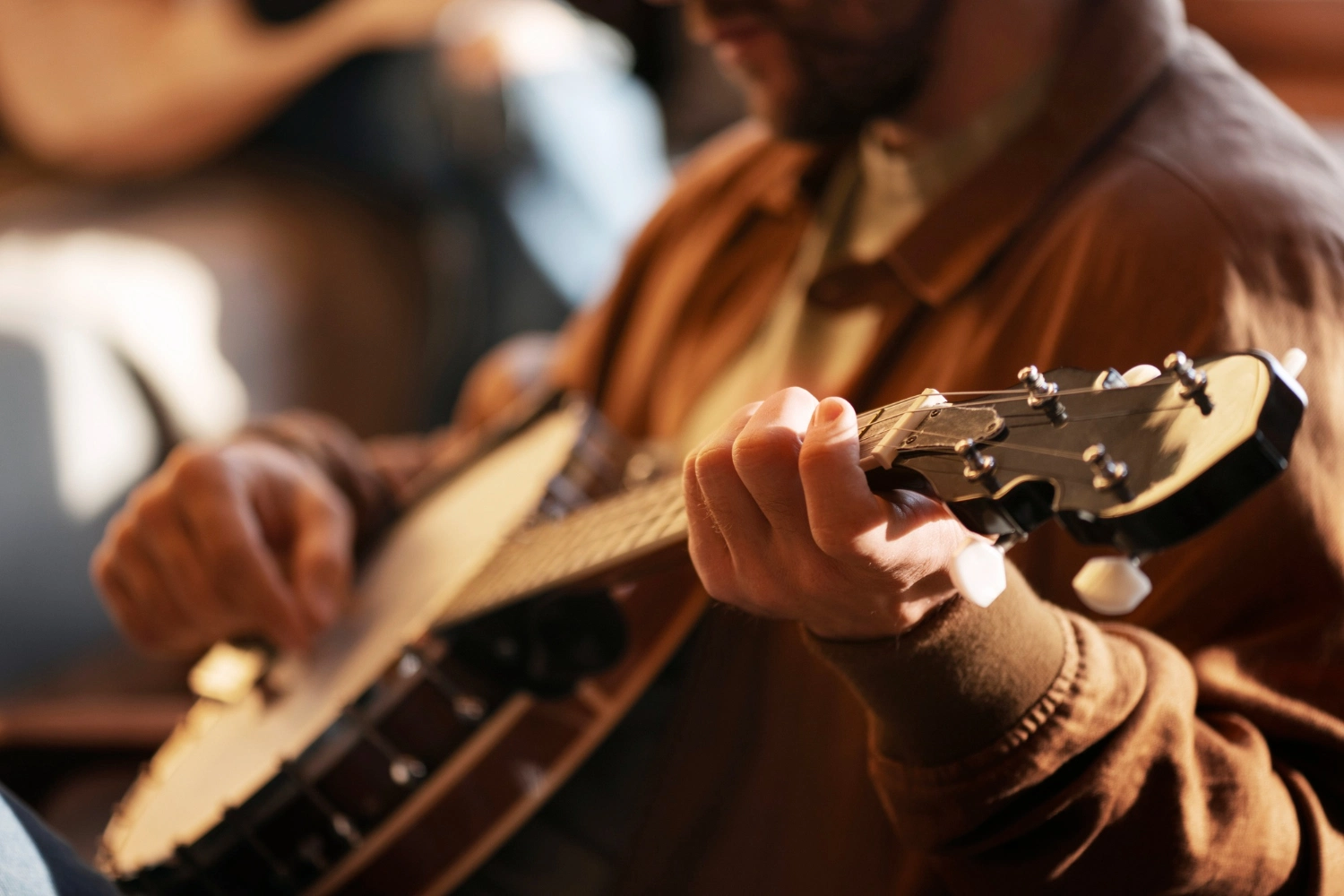
Latin music genres aren’t really separate categories. They’re branches of the same tree, shaped by African rhythm, European harmony, and centuries of migration across the Caribbean, Mexico, and South America. This guide breaks down salsa, bachata, merengue, cumbia, reggaeton, tango, samba, and more, tracing how each one got its sound and where the lines between them blur.
Ask five people to define a latin music genre and you’ll get five different answers. Some point to the horn stabs of salsa. Others think of reggaeton’s bass drop, or the sway of a bachata guitar line. Here’s the thing: they’re all right, and none of them cover the whole picture.
Latin music isn’t one sound. It’s an entire family of styles that share a few ancestors, mainly African rhythm, Indigenous folk tradition, and European harmony, but that took wildly different paths once musicians in Havana, Santo Domingo, Bogotá, and New York got their hands on them. This guide walks through the major branches of that family tree, how they differ, and why the differences matter more than the label.
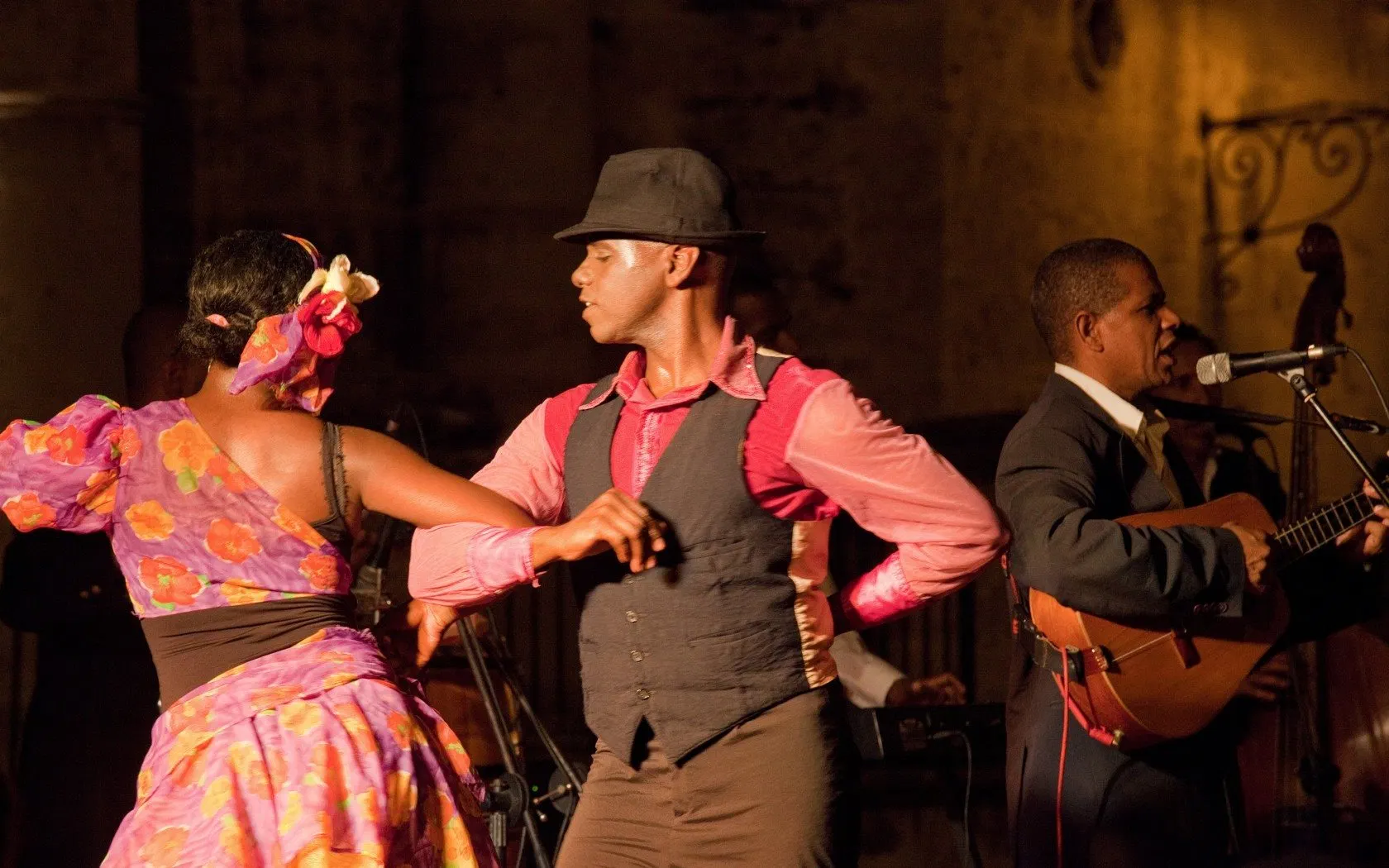
In This Article
- What Does “Latin Music” Actually Cover?
- Salsa: The Sound That Turned New York Into a Latin Capital
- Bachata: From “Música de Amargue” to UNESCO Heritage
- Merengue and Cumbia: Two Different Ways to Fill a Dance Floor
- Reggaeton and Latin Urban: How the Dembow Beat Conquered the World
- Tango, Samba, and Bossa Nova: The Continent’s Quieter Traditions
- Latin Pop, Latin Rock, and Latin Jazz: Where the Categories Blur
- More Latin Music Genres Worth Knowing
- How to Tell Latin Music Genres Apart by Ear
- Where These Rhythms Take You Next
What Does “Latin Music” Actually Cover?
Latin music, in the way the industry actually uses the term, means popular music sung in Spanish or Portuguese that comes out of Latin America, the Iberian Peninsula, or the Latin diaspora in the US and Europe. That’s the short version. The long version is messier, because under that one umbrella sit dozens of latin music styles that share almost nothing sonically beyond language and a rough family history.
The common thread researchers keep coming back to is a recombination: Afro-diasporic rhythm, European harmony, and local folk forms, reshuffled differently by country and by decade. Music of Latin America traces this pattern across genres as different as tango and reggaeton, which tells you something. If the scholarship keeps landing on the same explanation for wildly different sounds, that explanation is probably right.
So why does this matter? Because lumping salsa and bossa nova into one generic “Latin” playlist erases exactly the differences worth knowing about each tradition.
When someone asks what actually separates one latin music style from another, the honest answer is: it depends how far you zoom out. Zoom out far enough and it’s one sprawling ecosystem. Zoom in and you get tropical styles, regional Mexican styles, Brazilian styles, urban styles, and a handful of pop and rock hybrids that borrow from all of them.
Salsa: The Sound That Turned New York Into a Latin Capital
Salsa didn’t come from one country. It came from a neighborhood: 1960s and 70s New York City, where Puerto Rican, Cuban, and other Caribbean musicians took Cuban son, mambo, and guaguancó and ran them through American jazz and R&B.
According to Encyclopaedia Britannica, the style took shape largely in New York in the 1960s and 1970s, building on 1940s and 1950s Afro-Cuban dance music, with Fania Records and its all-star roster pushing the sound into the mainstream.
Sonically, salsa keeps Cuban son’s clave rhythm and adds brass. Horns, congas, timbales, and piano tumbao stack together, running fast enough for a packed dance floor. Among latin genres, it’s one of the denser, brassier sounds you’ll hear, and that density is exactly what set it apart from the guitar-driven genres next door.
Celia Cruz, Eddie Palmieri, and Tito Puente built the template. Later, Marc Anthony and Gilberto Santa Rosa carried it into a new generation without losing the horn sections that make salsa instantly recognizable.
Bachata: From “Música de Amargue” to UNESCO Heritage
Bachata started as the genre nobody wanted on the radio. Born in the early 1960s in the rural and working-class neighborhoods of the Dominican Republic, it mixed Cuban bolero, son, and Dominican merengue into a small guitar combo, and for decades it carried a stigma that kept it off respectable airplay.
The nickname says it all: música de amargue, or music of bitterness. Bars, brothels, and shantytowns played it. Middle-class radio stations wouldn’t touch it. But there’s a catch: the stigma didn’t vanish everywhere at once, and some Dominican communities still debate how “respectable” bachata is compared to merengue, even now.
That changed slowly, then fast. Juan Luis Guerra’s Bachata Rosa in 1990 brought polish to the genre, and Aventura and Romeo Santos later took it global. In 2019, UNESCO recognized Dominican bachata as Intangible Cultural Heritage of Humanity, official confirmation of what fans had known for decades.
UNESCO’s 2019 inscription treats bachata as a living, community-rooted practice of music and dance, not just a recording style.
Musically, bachata is lean where salsa is dense. A bright requinto guitar carries the melody over bongó, güira, and bass, with lyrics built around heartbreak and longing rather than dance-floor energy.
Merengue and Cumbia: Two Different Ways to Fill a Dance Floor
Merengue and cumbia both come from the Caribbean coast, both get people dancing fast, and they still sound nothing alike once you know what to listen for.
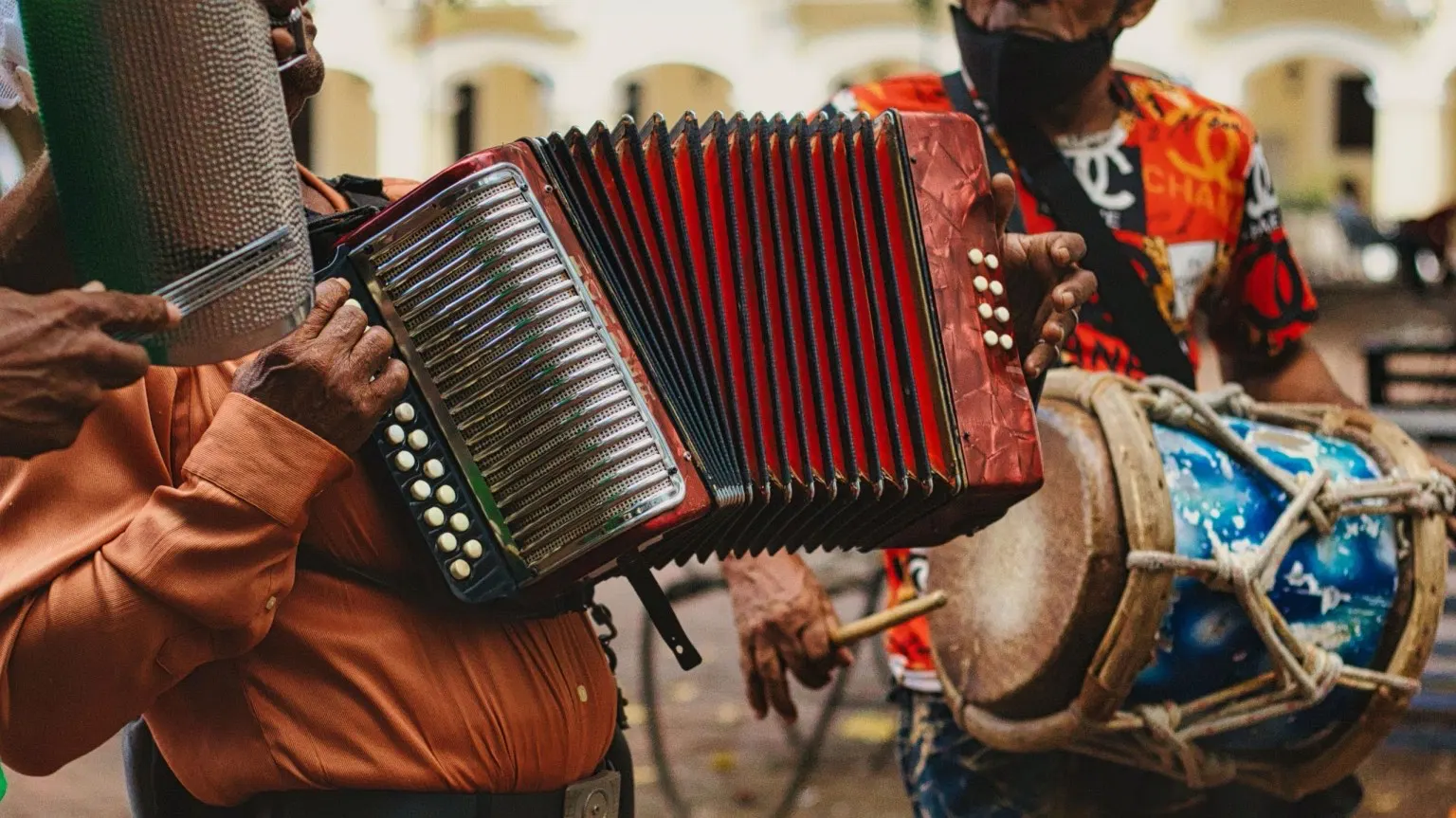
Merengue is Dominican, fast, and relentless. It runs in a straight 2/4 time signature with accordion, güira, and tambora pushing the tempo forward, a dance born in the 19th century that became the country’s national symbol in the 20th.
Cumbia is Colombian, and it swings instead of drives. Let me explain: traditional cumbia layers drums like the tambora and alegre under gaitas, long Indigenous flutes, and shakers, giving it a looser, more trance-like feel than merengue’s straight-ahead push. It later spread across the wider world of latin american music genres, picking up accordions in Mexico and electronic production in Argentina along the way.
- Merengue: straight 2/4 time, accordion and tambora, born in the Dominican Republic
- Cumbia: looser groove, drums and gaitas, born on Colombia’s Caribbean coast
- Both traveled far beyond their home countries, picking up local instruments along the way
Juan Luis Guerra shows up in both stories, which tells you something about how connected these styles really are. He modernized merengue in the 80s and 90s while also helping push bachata to new audiences, proof that the borders between neighboring genres are more porous than the labels suggest.
Reggaeton and Latin Urban: How the Dembow Beat Conquered the World
Reggaeton’s origin story runs through two countries, not one. According to Encyclopaedia Britannica, the sound traces back to early-1980s Panama City, where descendants of West Indian canal workers created reggae en español by translating Jamaican dancehall into Spanish.
By the 1990s, that sound collided with Spanish-language hip-hop in Puerto Rico, forming what locals called “underground.” By the mid-1990s, as DJ mixtapes spread the sound across the island, underground was becoming known as reggaeton.
The beat holds it together. Dembow is a syncopated, repeating rhythm pulled from dancehall, and it sits under nearly every reggaeton track regardless of who’s rapping or singing over it. Production leans digital, loops and drum machines instead of horn sections or guitars, which puts reggaeton closer to hip-hop than to salsa in texture.
Daddy Yankee’s breakout hit pushed the genre worldwide in the 2000s, and Bad Bunny, J Balvin, and Karol G have kept it there since. And that’s just one part of it: reggaeton isn’t just a Puerto Rican export anymore. It’s arguably the dominant sound across all of Latin urban music right now, absorbing trap, dancehall, and pop influences as it goes.
What Is Latin Trap?
Latin trap is Spanish-language trap music: slow, heavy 808 bass, rapid hi-hats and dark, half-time beats taken from Atlanta trap, with rapped or melodic vocals. It grew out of Puerto Rico in the mid-2010s, with artists such as Bad Bunny, Anuel AA, Ozuna and Arcángel, and it sits right next to reggaeton in today’s Latin urban music – many artists move between both.
Tango, Samba, and Bossa Nova: The Continent’s Quieter Traditions
Not every branch of this family tree is built for a crowded dance floor. Tango, samba, and bossa nova all trace back to specific cities, and all three lean toward listening rather than just moving.
Tango formed in the late 1800s in the working-class neighborhoods of Buenos Aires and Montevideo, driven by bandoneón, violin, piano, and a minor-key drama that sits closer to European art music than to Caribbean dance styles. Astor Piazzolla’s tango nuevo pushed it even further from the dance floor and into the concert hall.
Samba is the opposite of restrained: dense, percussion-heavy, built for Rio’s Carnival parades. Bossa nova took that same rhythmic backbone and turned the volume down, adding jazz harmony and soft, syncopated guitar until songs like “The Girl from Ipanema” became a global shorthand for Brazilian cool.
Among latin genres of music, these three sit apart because they were never really built around the dance floor first. Tango, samba, and bossa nova all developed serious listening cultures, concert stages, and songwriting traditions that stand on their own, separate from any specific dance step.
Latin Pop, Latin Rock, and Latin Jazz: Where the Categories Blur
These three types of latin music share one thing: none of them are really a single sound. Latin pop is mainstream pop written in Spanish or Portuguese, latin rock fuses rock instrumentation with Latin rhythm, and Latin jazz applies jazz harmony and improvisation to Afro-Cuban rhythm sections.
Latin pop surged during the 1990s “Latin explosion,” when Ricky Martin, Shakira, and Enrique Iglesias crossed over into English-language charts without losing their Spanish-language catalogs. It tends to de-emphasize traditional percussion in favor of synths and pop ballad structure, closer in DNA to Anglo pop than to salsa or cumbia.
Latin rock runs from Santana’s Afro-Latin fusion in the 1970s through Soda Stereo, Caifanes, and Maná, right up to today’s alt-Latin indie scene. Latin jazz, meanwhile, keeps the clave and tumbao of Afro-Cuban rhythm but borrows jazz’s extended solos and complex chord voicings, a lineage that runs from Machito through Tito Puente to Chucho Valdés.
- Latin pop: verse-chorus pop structure, Spanish or Portuguese lyrics
- Latin rock: rock instrumentation over a Latin rhythm section, Spanish lyrics
- Latin jazz: jazz harmony and improvisation layered over Afro-Cuban rhythm
More Latin Music Genres Worth Knowing
The big dance-floor styles get most of the attention, but Latin America’s musical map is far wider. These eight genres fill in the picture – several of them are the roots of the styles above.
Son Cubano
Son grew up in eastern Cuba in the late 19th century, combining Spanish guitar and song with African rhythm, built on the clave pattern and played on the tres guitar, bongó, maracas and bass. Groups like Ignacio Piñeiro’s Septeto Nacional brought it to Havana in the 1920s. Son is the main ancestor of salsa, and the Buena Vista Social Club album (1997) introduced it to a new global audience.
Mambo and Cha-Cha-Chá
In the late 1940s and 1950s, Cuban bandleader Dámaso Pérez Prado, working in Mexico City, turned Afro-Cuban rhythm into the big-band craze of mambo (“Mambo No. 5”). At almost the same time, violinist Enrique Jorrín created the slower, easier-to-dance cha-cha-chá. Both swept dance halls in the US and Europe.
Bolero
The Latin American bolero is a slow romantic song born in Cuba in the late 19th century and developed further in Mexico, where guitar trios such as Trío Los Panchos made it a continental favourite. Luis Miguel’s album Romance (1991) revived it for a new generation, and in 2023 UNESCO added the bolero of Cuba and Mexico to its Intangible Cultural Heritage list.
Mariachi and Ranchera
Mariachi comes from western Mexico, especially Jalisco: violins, trumpets, the guitarrón bass and vihuela guitar, played by musicians in charro suits. Ranchera songs, sung by stars like José Alfredo Jiménez and Vicente Fernández, are its emotional core. UNESCO recognised mariachi as Intangible Cultural Heritage in 2011. More in our guide to Mexican music genres.
Vallenato
From the Valledupar region of northern Colombia, vallenato is led by the accordion with the caja drum and guacharaca scraper, and tells stories in song. The Festival de la Leyenda Vallenata has crowned accordion kings since 1968, and Carlos Vives carried the sound into pop. It is a close cousin of cumbia.
Bomba and Plena
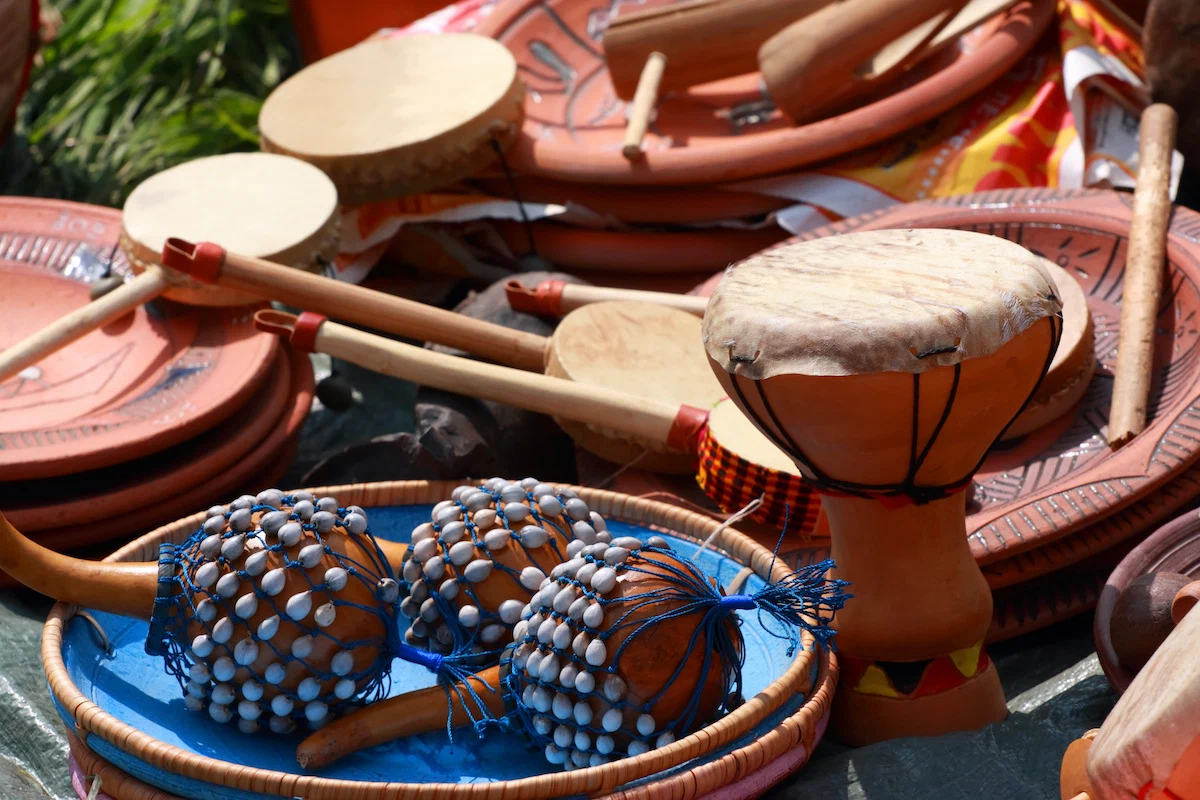
Puerto Rico’s two great Afro-Caribbean traditions. Bomba, developed by enslaved Africans on the island’s sugar plantations, is a dialogue between a dancer and the lead drummer on barriles drums. Plena, which emerged around Ponce in the early 20th century, is played on hand-held panderetas and is known as the “sung newspaper” for its songs about current events.
Andean Music
In the highlands of Peru, Bolivia and Ecuador, music built on the quena flute, zampoña panpipes and the small charango guitar blends Indigenous and Spanish traditions. The huayno is its most widespread dance form, and “El Cóndor Pasa”, written by Peruvian composer Daniel Alomía Robles in 1913, became world famous through Simon & Garfunkel’s 1970 version.
Regional Mexican and Corridos Tumbados
The narrative corrido ballad has been reinvented by a young generation mixing it with trap and hip-hop attitudes. These corridos tumbados, pioneered by Natanael Cano and led by Peso Pluma, went global in 2023, when Eslabon Armado and Peso Pluma’s “Ella Baila Sola” reached the top five of the Billboard Hot 100 – a first for a regional Mexican song.
How to Tell Latin Music Genres Apart by Ear
Here’s where it gets interesting: you don’t need to know a genre’s full history to identify it. Your ear can do most of the work if you know what to listen for.
Start with tempo and instrumentation. Fast and horn-heavy usually means salsa. Fast and accordion-driven usually means merengue. Slow and guitar-led usually means bachata or bolero.
| Genre | Core Instruments | Feel |
|---|---|---|
| Salsa | Horns, congas, piano | Dense, brassy, fast |
| Bachata | Requinto guitar, bongó | Lean, romantic, mid-tempo |
| Merengue | Accordion, tambora, güira | Fast, driving, relentless |
| Cumbia | Drums, gaitas (flutes) | Loping, trance-like |
| Reggaeton | Digital beats, dembow rhythm | Repetitive, bass-heavy |
| Tango | Bandoneón, violin, piano | Dramatic, minor-key |
None of the latin music types above are airtight categories. Modern artists blend two or three in a single track constantly, which is exactly why knowing the underlying instrumentation matters more than trusting the genre label on a streaming playlist.
In my decade covering the intersection of North African and Western sounds, I’ve noticed the same pattern show up again and again: genre labels lag behind what musicians are actually doing. Latin music is no exception. The label “reggaeton” barely covers everything Bad Bunny does on a given album anymore.
What’s the difference between salsa and bachata?
Salsa and bachata both come from the Caribbean, but they sound almost nothing alike once you isolate the instrumentation. Salsa is brass-heavy and fast, built around Cuban son’s clave rhythm with congas, timbales, and horn sections pushing a big-band energy. Bachata is lean and guitar-driven, built around a bright requinto lead over bongó and güira, with lyrics that lean toward heartbreak rather than dance-floor energy. If you hear horns, it’s probably salsa. If you hear a single melodic guitar line carrying the whole song, it’s probably bachata.
What are the most popular latin styles of music today?
Right now, reggaeton and its urban offshoots dominate global streaming numbers, driven by artists like Bad Bunny, Karol G, and Feid. Regional Mexican music has also seen a major surge in recent years, with corridos tumbados and banda tracks charting internationally. Salsa, bachata, and merengue remain hugely popular for social dancing and live performance, even if they don’t top the charts the way they once did. So the honest answer depends on whether you’re asking about streaming charts or the music people are actually dancing to on a Saturday night.
Is reggaeton considered a Latin American genre or its own thing?
Reggaeton is generally counted as part of the broader Latin music family, since it’s sung mostly in Spanish and grew out of Caribbean and Latin diaspora communities in Panama and Puerto Rico. But it also draws heavily from Jamaican dancehall and US hip-hop, so purists sometimes treat it as its own hybrid category rather than a traditional Latin genre. In practice, most streaming platforms and award shows, including the Latin Grammys, classify it firmly within Latin music.
Which Latin music genre is the oldest?
Depending on how you draw the line, tango and son cubano are usually cited as the oldest of the genres covered here, both taking shape in the late 19th century. Bolero followed shortly after, also emerging in Cuba before spreading across the region. Genres like salsa, bachata, and reggaeton are much younger by comparison, all developing in the 20th century as later fusions built on top of those earlier traditions.
Is flamenco Latin music?
Not strictly. Flamenco comes from Andalusia in southern Spain, so it is European rather than Latin American. It is often filed with Latin music because of the shared Spanish language and the long exchange of rhythms between Spain and the Americas – see our flamenco guide.
Who is the queen of Latin music?
Celia Cruz, the Cuban singer known as the “Queen of Salsa”, is the name most often given. Selena is remembered as the Queen of Tejano music, and Shakira and Gloria Estefan are frequently called queens of Latin pop.
What instruments are used in Latin music?
It depends on the style, but common ones include congas, bongos, timbales, claves and güiro in Caribbean music; guitar, tres and cuatro; accordion in norteño, vallenato and cumbia; trumpets and violins in mariachi; and brass sections in salsa and banda.
Where These Rhythms Take You Next
So where does that leave you? Probably with a longer playlist than you started with, and hopefully a better sense of why a song labeled “Latin” can sound like a horn section or a single acoustic guitar depending on which branch of the family tree it came from.
The short answer? It depends on the country, the decade, and which diaspora community carried the sound across borders. That pattern, migration reshaping rhythm, is exactly what draws us to Hindi Zahra’s music here on this site, even though her sound sits in a completely different diaspora tradition.
Worth pausing on that for a second: genre labels are useful shorthand, but they’re never the full story. Pick a few tracks from each style in this guide, salsa, bachata, cumbia, reggaeton, tango, and just listen for the instrumentation. That’s a faster education than any glossary, including this one.

Leila Benkacem is a Paris-based music journalist with a decade of writing about the intersection of North African folk traditions and contemporary Western sounds. Born in Lyon to an Algerian family, she grew up between two musical worlds — her father’s cassettes of Berber songs and the French radio jazz of Sunday mornings. She discovered Hindi Zahra through a late-night set at La Maroquinerie in 2011 and has followed her work ever since. Leïla writes about world music, diaspora artists, and the quiet power of music that refuses to be categorized. She created this fan site as a personal archive and a space for others who believe Hindi Zahra’s voice deserves far more of the world’s attention.
Sources
- UNESCO. “Music and Dance of Dominican Bachata.” Intangible Cultural Heritage Lists, 2019.
- Cashion, Susan V. “Salsa.” Encyclopaedia Britannica, n.d.
- Zelazko, Alicja. “Reggaeton.” Encyclopaedia Britannica, n.d.
- Wikipedia contributors. “Music of Latin America.” Wikipedia, n.d.
- The Washington Post. “The Evolution of Reggaeton and the Dembow Beat: An Interactive Timeline.” The Washington Post, 2024.
- Smithsonian Folkways Recordings. “Mission and History.” Smithsonian Folkways, n.d.