Pop music is commercially distributed music designed to appeal to a broad audience — and its history stretches back well before The Beatles. From 19th-century sheet music publishers to streaming algorithms, pop has evolved through three major revolutions, absorbed jazz, blues, rock, hip-hop, and electronic music, and spread across every continent. This guide traces that full arc, from the first phonograph to a bedroom in Los Angeles where Billie Eilish changed what a hit record can sound like.
Most people think pop music started sometime in the 1960s. Maybe with Beatlemania. Maybe with Motown. But the truth is that the pop music history timeline goes back much further — to parlor pianos, sheet music catalogs, and a system of hit-making that predates the microphone by several decades.
Understanding the history of pop music means following two threads at once: the sounds themselves, and the technologies that spread them. New formats — the phonograph, the radio, the 45 rpm single, MTV, Napster, Spotify — didn’t just deliver music. They changed what music became. Every time a new tool arrived, pop adapted, sometimes slowly, sometimes in a sudden burst that rewrote the charts overnight.
In This Article
- What Is Pop Music? Definition and Characteristics
- What Is the History of Pop Music?
- Early Roots: Popular Song, Jazz, Blues, and R&B
- Who Started Pop Music?
- The 1950s and 1960s: When Rock and Roll Changed Everything
- The Evolution of Pop Music in the 1970s and 1980s
- The 1990s and 2000s: Hip-Hop, Grunge, Teen Pop, and Digital Change
- Popular Music Today: Streaming, Global Hits, and New Voices
- Types of Pop Music
- A Short History of Pop by Format and Technology
- Making Music from Your Bedroom: How Technology Democratized Pop
- Why Pop Music Keeps Changing
What Is Pop Music? Definition and Characteristics
Pop music – short for popular music – is commercially produced music made to appeal to the widest possible audience. In everyday use it usually means catchy, song-based music built around a memorable chorus and a singer, but the label has always been flexible: whatever style dominates the charts in a given era tends to become “pop”.
Most pop songs share a few traits:
- A strong hook and chorus that is easy to remember and sing along to.
- Verse–chorus structure, often with a pre-chorus and a bridge.
- Short length – typically around three to four minutes, a legacy of the 45 rpm single and radio.
- A steady, danceable beat, usually in 4/4 time.
- Polished production that puts the vocal front and centre.
- Universal themes such as love, heartbreak, freedom and having fun.
- Constant borrowing from other genres – rock, R&B, hip-hop, electronic, Latin and more.
What Is the History of Pop Music?
The history of pop music is the story of how commercially made songs became the shared soundtrack of modern life. Pop didn’t begin as a genre with a fixed sound. When did pop music start? The roots go back to the mid-1800s, when sheet music publishers in New York and London began hiring songwriters to produce music with mass appeal. The term “popular music” simply meant music that sold — music produced for broad audiences rather than concert halls or church pews.
By the early 1900s, the phonograph had arrived, and recorded music replaced live performance as the main way people heard songs. The U.S. and U.K. recording industries became the dominant centers of this trade, shaping what the world listened to for the next century. Pop music culture grew from there — not as one fixed thing, but as whatever was commercially popular at any given moment.
Pop Music Culture: One Name, Many Sounds
Here’s the thing about pop music history: the word “pop” has never described a single style. Pop music history is really a sequence of dominant sounds — jazz in the 1920s, rock in the 1950s, disco in the 1970s, hip-hop in the 1990s — each one becoming “popular music” in its era before the next wave replaced it. What makes something pop is commercial distribution and mass reception, not a specific chord progression or beat pattern.
Early Roots: Popular Song, Jazz, Blues, and R&B
The pop music genre as we know it grew from a specific economic system: Tin Pan Alley. By the 1890s, song-publishing firms had clustered in New York City, hiring staff songwriters to produce hits on demand and pushing those songs to touring performers and theater networks. This was the first pop factory. Music was a product to be manufactured, promoted, and sold — and that logic has never really left the industry. The music evolution from sheet music to phonograph records in the early 1900s meant those songs could now travel further and faster than any touring act ever could.
Jazz arrived in the 1920s and genuinely shocked audiences. Before that, the Western mainstream had been built on classical compositions, hymns, and British parlor ballads. Jazz introduced syncopation, improvisation, and rhythms rooted in African American musical tradition. Blues followed, then gospel, then swing — and each one fed into what we now call rhythm and blues. When did pop become popular as a distinct commercial category? Arguably right here, when radio broadcasting in the 1920s gave record labels a way to reach a national audience in real time, collapsing regional boundaries and creating the first shared pop taste.
Who Started Pop Music?
Nobody started pop music — and that’s exactly the point. Pop emerged from a collision of forces: sheet music publishers who needed hits, record labels who needed stars, radio stations who needed content, and audiences who needed something new. But if you’re looking for early architects of the mass-market vocal style, start with the crooners. Bing Crosby and Frank Sinatra didn’t just have good voices; they exploited the newly invented electrical microphone to sing in a soft, intimate way that felt personal even to strangers listening through a speaker. Who started pop music as a formula? Credit also goes to Todd Storz and Gordon McLendon, the two broadcasters who invented Top 40 radio in the early 1950s by repeating the same hit songs in heavy rotation — creating the pop hit as a cultural event, not just a recording. That is when the modern pop hit was born.
Who Is Called the Father of Pop Music?
There is no official “father of pop.” The title gets attached to different people depending on what you count as pop: Stephen Foster is often called the father of American music for the parlor songs he sold as sheet music in the 1840s and 1850s, Elvis Presley is remembered as the King of Rock and Roll, and Michael Jackson is the King of Pop. Each name marks a different stage of the same story.
The 1950s and 1960s: When Rock and Roll Changed Everything
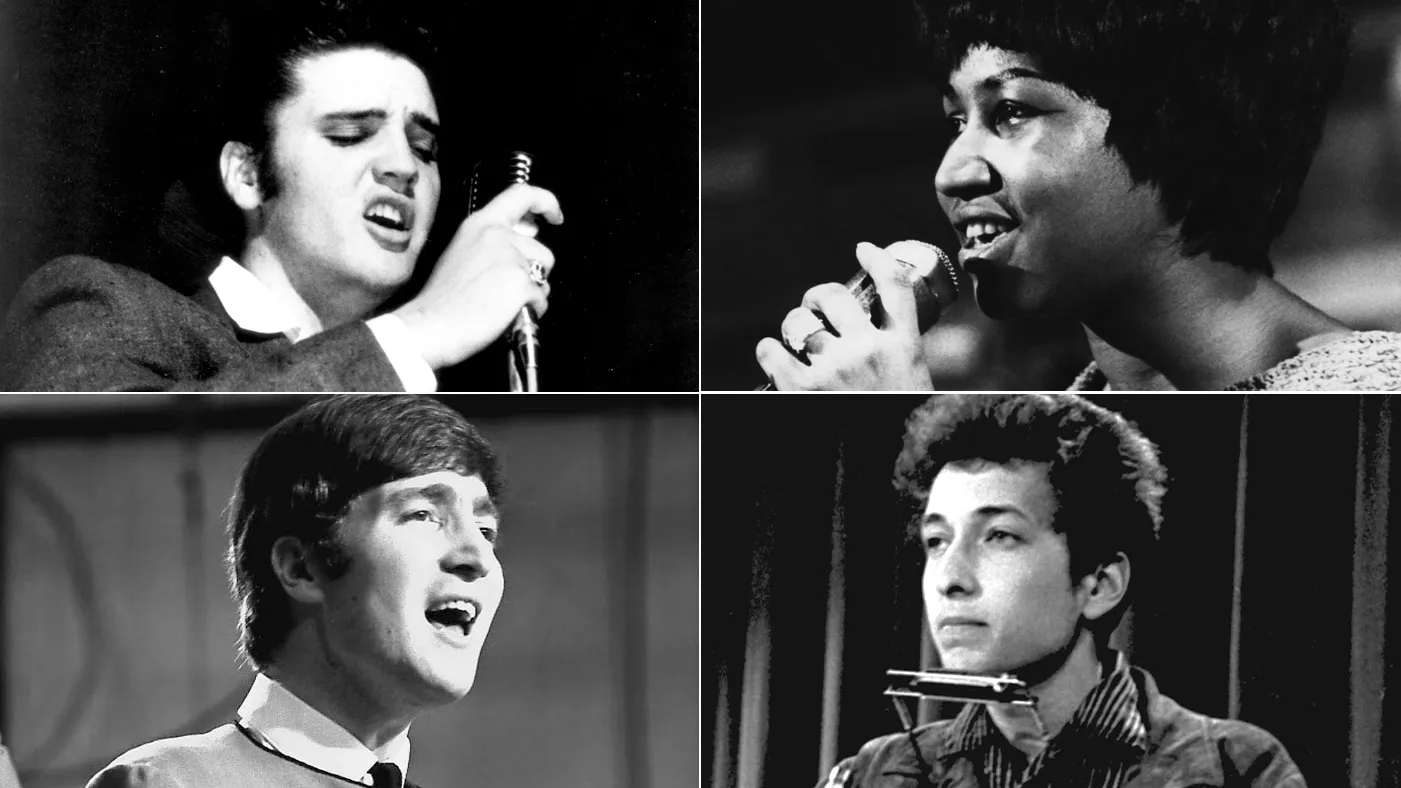
In the 1950s, pop musicians started pulling harder from blues and gospel, and something new clicked. Rock and roll arrived — electric guitars, a driving backbeat, and a sound that felt like it belonged to young people specifically. Elvis Presley, Chuck Berry, Little Richard, and Buddy Holly weren’t just popular; they redefined what a pop star was. Television amplified everything: when Elvis appeared on The Ed Sullivan Show in 1956, 60 million Americans watched. The pop music timeline shifted permanently.
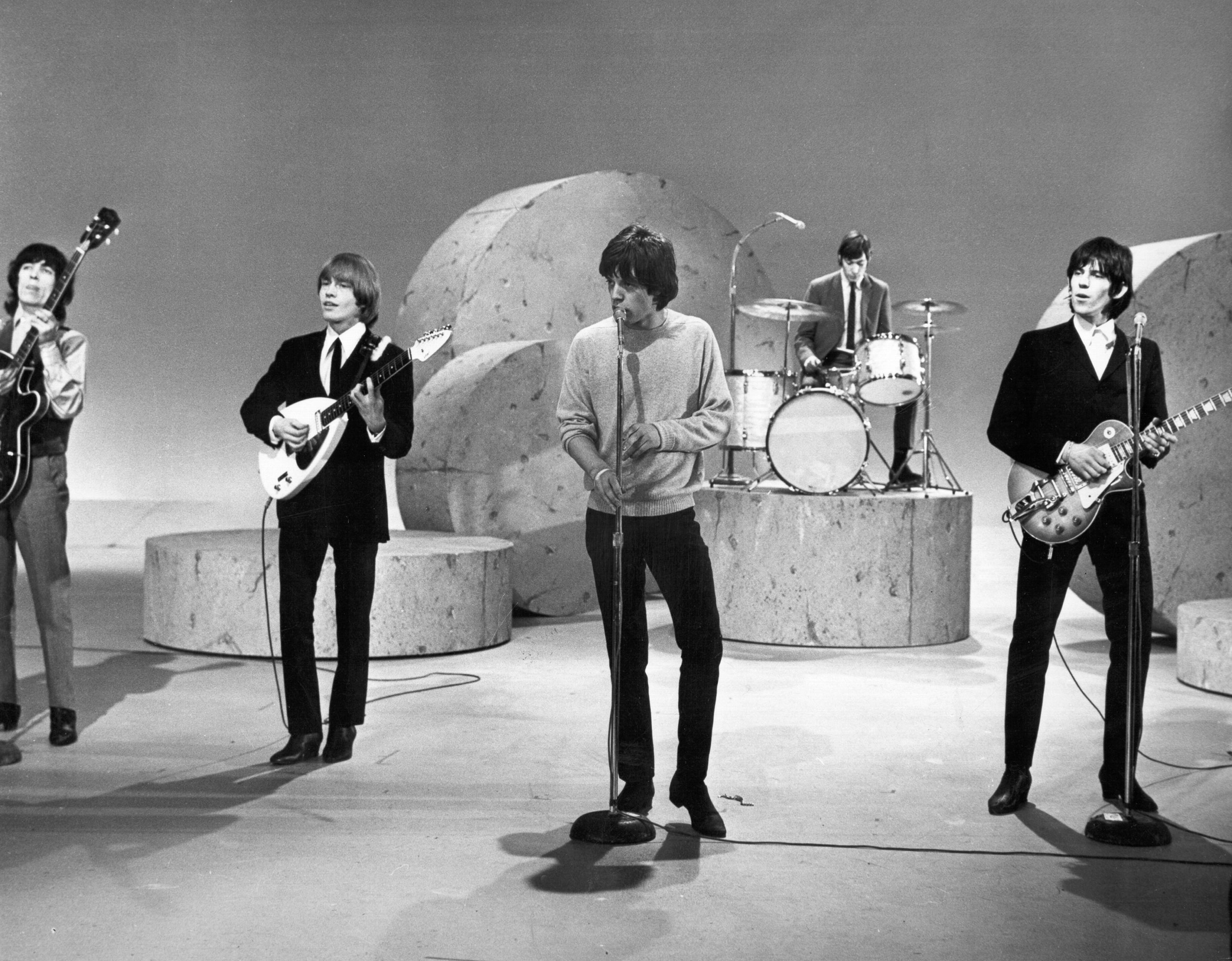
Then came the British Invasion. The Beatles, The Rolling Stones, and The Who landed in the U.S. in 1964, and the charts reshuffled almost overnight. But here’s what the data actually shows: a peer-reviewed study analyzing nearly 17,000 Billboard Hot 100 songs from 1960 to 2010 found that the British Invasion didn’t trigger a musical revolution — it followed existing trends. The real revolution was already happening in the harmony and chord structures of American pop. The Beatles accelerated something. They didn’t start it.
In short: the biggest musical revolution in US chart history came not in 1964 but around 1991, when hip-hop arrived in the charts.
Summary of findings from Mauch et al., “The Evolution of Popular Music: USA 1960-2010,” Royal Society Open Science, 2015
Motown, Soul, and Girl Groups
While rock was reshaping the pop music timeline, something else was happening in Detroit. Berry Gordy started Motown Records in 1959 with an $800 family loan, modeled explicitly on Ford’s automotive assembly lines. Songwriting teams, a house band called the Funk Brothers, and an Artist Development department that trained performers in choreography and etiquette — all of it was engineered to produce crossover hits. It worked. From 1961 to 1971, Motown placed 110 songs in the Billboard Top Ten. The Supremes, Marvin Gaye, Stevie Wonder, and The Jackson 5 weren’t just pop stars. They were proof that Black-owned pop could dominate the mainstream.
The Evolution of Pop Music in the 1970s and 1980s
The evolution of pop music in the 1970s ran in several directions at once. Funk pushed rhythm into the foreground — James Brown, Chic, Earth Wind and Fire, Stevie Wonder. Disco built dancefloor culture around synthesizers and drum machines. Elton John and Queen brought the stadium rock ballad to arenas worldwide. And then the technology itself changed the equation. Digital recording arrived, making synthesizers and samplers affordable, and suddenly the sound of pop could be constructed rather than performed. It was a different kind of music-making entirely.
The 1980s made the shift permanent. Electronic drum machines flooded the charts — and researchers found that 1986 was the least diverse year in pop chart history, largely because drum machines had made so many songs sound alike. But there’s a catch: that sameness also created a new pop literacy. Audiences trained on this sound would respond instinctively to its patterns, which gave producers enormous power.
| Era | Defining Sound | Key Artists | Technology Catalyst |
|---|---|---|---|
| 1920s-40s | Jazz, Swing, Blues | Louis Armstrong, Billie Holiday, Glenn Miller | Radio broadcasting, shellac discs |
| 1950s-60s | Rock and Roll, Motown Soul | Elvis Presley, Chuck Berry, The Beatles, The Supremes | 45 rpm single, portable transistor radio, TV |
| 1970s-80s | Funk, Disco, Synth-Pop, Arena Rock | James Brown, Bee Gees, Michael Jackson, Madonna | Synthesizers, digital drum machines, MTV |
| 1990s-2000s | Hip-Hop, Grunge, Teen Pop, R&B | Nirvana, Beyonce, Jay-Z, Britney Spears | CD, MP3, Napster, iTunes |
| 2010s-present | Bedroom Pop, Global Hybrids, EDM | Taylor Swift, BTS, Bad Bunny, Billie Eilish | Streaming, DAWs, TikTok, algorithmic playlists |
MTV and the Image Era
The history of music in the 1980s can’t be told without MTV. When the channel launched in 1981, it transformed pop from a listening experience into a visual one. Michael Jackson’s “Thriller” video didn’t just promote an album; it redefined what a pop star could do with camera and choreography. Madonna built an entire career on the tension between image and music. Prince collapsed the line between the two entirely. Pop music culture in the 1980s meant fashion, branding, and visual identity as much as it meant melody — and that’s still true today.
The 1990s and 2000s: Hip-Hop, Grunge, Teen Pop, and Digital Change
The 1990s opened with a genuine split in pop’s personality. Grunge arrived from Seattle — Nirvana, Pearl Jam, Soundgarden — raw and deliberately anti-commercial, pulling rock away from arena spectacle. At exactly the same time, the teen pop machine was running at full speed: Britney Spears, NSYNC, Backstreet Boys, Destiny’s Child. Both were pop music in the sense that they were commercially distributed and widely consumed. But they sounded like they belonged to different planets. And underneath it all, hip-hop was about to flip the pop music timeline on its head.
The format was shifting too. CDs replaced cassette tapes. Then Napster arrived in 1999, and peer-to-peer file sharing nearly destroyed the traditional album economy. iTunes arrived in 2003 and introduced the idea that you could buy a single song for 99 cents. The pop music genre was still producing hits — but the way people found, bought, and owned music was changing faster than any era since the invention of radio.
Hip-Hop’s Impact on Pop Music
Worth pausing on that for a second: hip-hop’s arrival in the mainstream pop charts around 1991 was, according to peer-reviewed research, the single greatest musical revolution in US pop history — bigger than the British Invasion, bigger than disco, bigger than the synthesizer wave. The reason goes deeper than style. Hip-hop shifted pop’s defining characteristic from harmony to rhythm and speech. For the first time, a chart-dominating genre placed percussion and vocal cadence at the center, with melody as secondary. Artists like Tupac Shakur, Jay-Z, Missy Elliott, and Kanye West didn’t just make hip-hop mainstream. They rewired what mainstream pop music was allowed to sound like.
Popular Music Today: Streaming, Global Hits, and New Voices
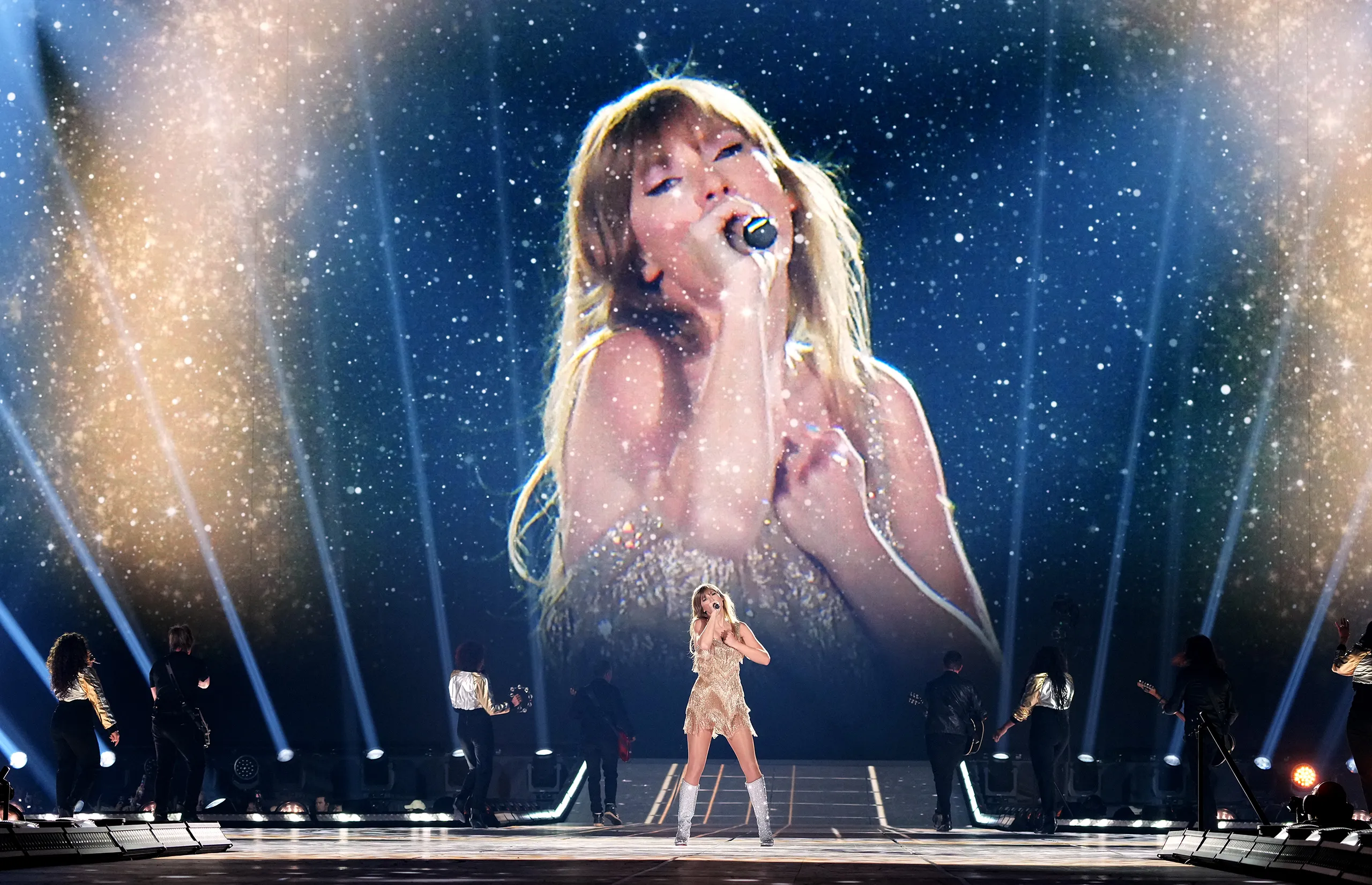
As someone who has spent over a decade writing about music that crosses borders and refuses easy categories, I find today’s pop landscape genuinely fascinating — and genuinely different from anything that came before. The biggest pop artists right now include Taylor Swift, Drake, BTS, Bad Bunny, and Billie Eilish. They don’t share a genre, a language, or even a country. What they share is algorithmic reach. Streaming platforms like Spotify and Apple Music, combined with TikTok’s short-form video discovery engine, have created a pop music culture where a song can go global in 72 hours without a single radio placement.
The pop music genre’s borders have dissolved in ways that feel permanent. K-pop groups like BTS built global audiences through a combination of synchronized choreography, fan community infrastructure, and multilingual accessibility that no Western label had previously attempted. Bad Bunny released four consecutive Spanish-language albums that topped the Billboard 200 — something that would have been unthinkable before streaming removed the gatekeeping power of English-language radio. And Afrobeats artists like Burna Boy, Wizkid, and Rema have moved from regional dancefloors to global charts: Rema’s “Calm Down” surpassed two billion streams on Spotify. The center of pop music has moved, and it isn’t moving back.
- K-pop: Debuted April 11, 1992 with Seo Taiji and Boys on Korean television; formalized the “idol trainee” system through agencies like SM Entertainment; BTS and Blackpink achieved global chart dominance by the late 2010s.
- Latin pop: “Despacito” (2017) collapsed the industry assumption that Spanish-language songs couldn’t top English-market charts; Bad Bunny followed with four Billboard 200 number-one albums entirely in Spanish.
- Afrobeats: Wizkid’s contribution to Drake’s “One Dance” (2016) introduced West African pop rhythms to Western mainstream radio; Burna Boy sold out New York’s Madison Square Garden in 2022 and in 2023 became the first African artist to headline and sell out a UK stadium, London Stadium.
How Today’s Charts Work
The Billboard Hot 100 — the most watched pop music timeline in the U.S. — now calculates chart position using a weighted combination of streaming counts, radio airplay, and digital downloads. Streaming is by far the largest factor. A song that goes viral on TikTok can accumulate enough streams in a week to chart purely on listening data, with no radio support at all. Playlist placement on algorithmic playlists like Spotify’s Today’s Top Hits now functions the way radio rotation once did: it’s the bottleneck between a song and a mass audience. Pop music evolution in the 2020s is, in significant part, the story of how artists and labels learned to work with — and sometimes against — those recommendation systems.
Types of Pop Music
Because pop absorbs everything around it, it has dozens of subgenres. These are the ones people search for most:
| Style | What it is | Examples |
|---|---|---|
| Dance-pop | Upbeat pop built for clubs and radio | Madonna, Lady Gaga, Dua Lipa |
| Synth-pop | Pop led by synthesizers, born in the late 1970s and 1980s | Depeche Mode, Pet Shop Boys, The Weeknd’s “Blinding Lights” |
| Electropop | Pop built on electronic production and beats | Robyn, Lady Gaga’s The Fame, Charli XCX |
| Pop rock | Rock instruments with pop song structure | The Beatles, Maroon 5, Kelly Clarkson |
| Pop punk | Fast punk guitars with catchy pop choruses | Green Day, Blink-182, Paramore |
| Pop soul / R&B pop | Soul and R&B vocals with pop hooks | Motown, Whitney Houston, Bruno Mars |
| Teen pop / bubblegum pop | Light, upbeat pop aimed at young listeners | The Monkees, Britney Spears, NSYNC |
| Indie pop | Pop with an independent, lo-fi aesthetic – see our indie music guide | Belle and Sebastian, Lorde, Clairo |
| Bedroom pop | Home-recorded, intimate pop | Clairo, Billie Eilish (early work), boy pablo |
| K-pop | South Korean idol pop – see our K-pop guide | BTS, BLACKPINK |
| Latin pop | Spanish- and Portuguese-language pop – see Latin music genres | Shakira, Enrique Iglesias, Bad Bunny |
A Short History of Pop by Format and Technology
Every shift in the pop music history timeline has been driven by a format change. The history of music is really the history of delivery systems, each one reshaping what was commercially possible. How has music changed over time? Follow the formats: when you understand why the 45 rpm single existed, you understand why the three-minute pop song became standard. When you understand how CD margins funded the 1990s music industry, you understand why Napster was so destructive.
Here’s where it gets interesting: each new format didn’t just deliver existing music more efficiently. It changed what music could be. Radio made national pop stars possible. MTV made visual identity mandatory. MP3 files made the album optional. Streaming made the single dominant again — and made the first 30 seconds of a song the most important real estate in pop, because that’s when listeners decide whether to skip.
From Cylinder to Stream: How the Format Shaped the Sound
The chain runs like this. Sheet music in the 1800s meant pop was something you played at home. Edison’s phonograph (1877), the graphophone (1886), and Emile Berliner’s flat disc gramophone (1887) created the physical recording industry. The LP record in 1948 extended playtime enough to support album-length listening; the 45 rpm single in 1949 created an affordable, youth-targeted format that drove the rock and roll era. Cassette tapes made music portable. CDs improved sound quality and inflated album prices. MP3s compressed the file, and Napster distributed it for free. Streaming removed ownership entirely. TikTok made the 15-second hook the new pop fundamental.
Making Music from Your Bedroom: How Technology Democratized Pop
For most of pop music history, making a record required a studio, a producer, a label deal, and a budget. Think about it this way: in the 1960s, Phil Spector assembled dozens of musicians in a single room to build his Wall of Sound. In the 1990s, Max Martin and his collaborators at Stockholm’s Cheiron Studios refined a precision approach to songwriting that would eventually give Martin more than 25 Billboard Hot 100 number-one singles as a writer — but it required a dedicated professional infrastructure. That model remained dominant until the late 2010s, when digital audio workstations became cheap enough for teenagers to use at home.
The bedroom pop movement that followed isn’t just a subgenre. It’s a structural shift. Artists are now writing, producing, and mixing commercially competitive music in their homes. You can find Hindi Zahra’s music — raw, intimate, cross-cultural — as a case in point: the stripped-back production that defines her sound isn’t a budget limitation. It’s an aesthetic choice that connects directly to what home recording has made possible. The divide between “professional” and “independent” in pop music has narrowed to almost nothing.
From Max Martin to Billie Eilish: The Shrinking Studio
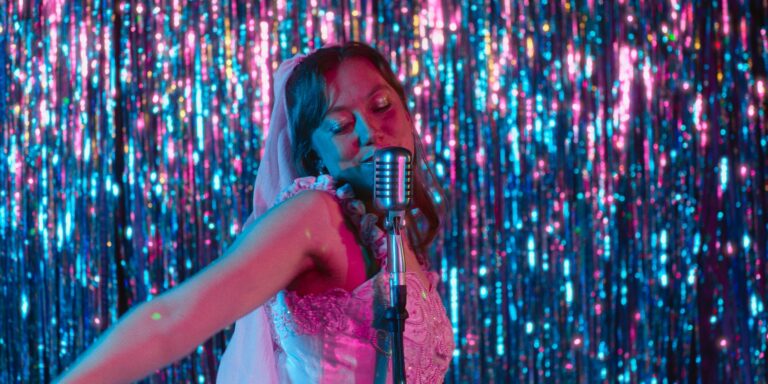
Billie Eilish and her brother Finneas O’Connell recorded her debut album “When We All Fall Asleep, Where Do We Go?” in their childhood bedroom in Los Angeles, using an Audio-Technica AT2020 condenser microphone and Apple Logic Pro. It won five Grammy Awards, including Album of the Year. That’s not a footnote to pop music history — it’s a data point about where pop music is going. The global recorded music industry now generates $29.6 billion in annual revenues, with 69% coming from streaming. That revenue is accessible to bedroom producers in a way it never was to anyone outside a major label system.
Why Pop Music Keeps Changing
Pop music is a mirror. It reflects whatever is happening in youth culture, technology, and social life at any given moment — and then it amplifies it. The pop music genre has never been stable because the audiences it serves have never been stable. Every generation arrives with different reference points, different tools, and different anxieties. Pop absorbs those and turns them into songs. That process has been running continuously since the sheet music publishers of the 1890s decided to find out what people wanted to hear.
After ten years of writing about music at the edges of categories — world music, diaspora artists, sounds that don’t fit neatly into genre boxes — I’ve come to see pop’s restlessness as its defining feature, not a flaw. Pop borrows from rock, R&B, hip-hop, electronic music, country, Latin pop, and Afrobeats not because it lacks identity, but because its identity is absorption. It takes what works and makes it available to everyone.
The Real Forces Behind Pop’s Endless Reinvention
Youth culture and dance trends have always driven the surface of pop — the sounds that feel new in any given year. But the deeper engine runs on technology and economics: what formats exist, how much they cost, who controls distribution, and who gets paid. Recording technology, record labels, radio, television, streaming platforms, and global audiences all shape what pop is allowed to become. The pop music timeline you’re reading right now isn’t a sequence of artistic choices. It’s a sequence of industries adapting to each other, with music as the product and listeners as the market. That’s not a cynical reading — it’s an honest one. And it explains why pop keeps changing: because the industries keep changing, and the audiences keep demanding something that sounds like now.
Who Started Pop Music?
No single person started pop music, and that’s a deliberate answer rather than an evasive one. Pop music as commercially distributed popular song grew from the sheet music publishing system of the 1890s, the phonograph industry of the early 1900s, and radio broadcasting in the 1920s. If forced to name architects, the crooners were central: Bing Crosby and Frank Sinatra used the newly invented electrical microphone to establish an intimate, mass-market vocal style in the 1930s and 40s that became the template for nearly every pop singer who followed. Todd Storz and Gordon McLendon invented the Top 40 radio format in the early 1950s, which created the structural logic of the modern pop hit by repeating the same songs in heavy rotation until they became unavoidable cultural touchstones. Who started pop music as a system? All of them — and the record labels, radio stations, and audiences that made their choices possible.
How Has Pop Music Changed Over Time?
How has pop music changed over time is really a question about three interacting forces: technology, genre absorption, and economics. The sound of pop has shifted radically across each decade — from jazz in the 1920s to rock in the 1950s to disco in the 1970s to hip-hop in the 1990s to the global genre hybrids of today. Each shift was partly driven by new recording and distribution technology: the LP created the album era, MTV created the visual era, MP3s created the file-sharing crisis, streaming created the playlist era. But each shift was also driven by new artists bringing new influences into the commercial mainstream. Hip-hop’s arrival in the 1991 charts was confirmed by peer-reviewed research as the single greatest musical revolution in U.S. pop history, larger than the British Invasion of 1964, because it fundamentally changed which musical characteristics — harmony, rhythm, or speech — defined what a pop song could be.
How Has Pop Music Evolved Over the Past Decade?
Over the past decade, the most significant changes in pop music evolution have been structural rather than sonic. Streaming replaced physical and digital download sales as the dominant revenue model — the global recorded music industry generated $29.6 billion in 2024, with 69% coming from streaming. TikTok emerged as a primary discovery mechanism, shifting the most important moment in a pop song from the chorus to the opening hook. Non-English-language pop achieved mainstream dominance for the first time, with K-pop, Latin pop, and Afrobeats consistently reaching the top of English-market charts without adapting to English-language norms. And bedroom production became industry-standard: the gap between a home-recorded independent release and a major-label single has narrowed to the point where the distinction is increasingly commercial rather than sonic. Pop music has also grown more fragmented, with streaming algorithms creating micro-genre audiences that can sustain artists outside the traditional hit-or-miss chart system.
When Did Pop Music Become Popular?
Pop music became popular — in the sense of reaching mass audiences simultaneously — through radio broadcasting in the 1920s. Before radio, popular songs spread through sheet music sales and live touring, which meant different regions heard different music at different times. National radio created, for the first time, a shared pop soundtrack: the same songs, heard by audiences across the country, on the same night. The Top 40 radio format in the early 1950s accelerated this, creating a weekly ranking system that made popularity itself a news story. The 45 rpm single made those songs affordable to the teenager with pocket money. And television — especially appearances on shows like The Ed Sullivan Show — gave pop its first mass visual culture. Pop music became popular in the modern sense across the 1950s: the formats, the audiences, and the commercial infrastructure all converged in that decade.
What does pop stand for in music?
“Pop” is short for “popular”. The term “popular music” originally meant any music sold to a mass audience; “pop” became the common name for chart-oriented, song-based music from the 1950s onwards.
Who is the queen of pop?
Madonna is the artist most widely called the Queen of Pop, thanks to her chart success and influence since the 1980s. Michael Jackson is known as the King of Pop.
Where Pop Music Goes from Here
Pop music has survived the collapse of every format that once defined it. Sheet music, shellac records, AM radio, the 45 rpm single, the album, the CD, the MP3 download — each one seemed indispensable until it wasn’t. Streaming will not be the last model. Whatever replaces it will reshape pop again, the way every technology before it did.
But the underlying dynamic won’t change. Pop will continue to absorb the most vital sounds on its edges — the music that feels most urgent to the youngest audiences — and bring those sounds into the commercial mainstream. It did it with jazz. It did it with rock and roll. It did it with hip-hop. It’s doing it now with Afrobeats and regional Latin styles. That absorption process is pop music culture at its most essential: not a genre, but a mechanism.
The history of pop music is unfinished. It’s being written right now, on streaming platforms, in bedroom studios, on short-form video feeds, and on dancefloors from Lagos to Seoul to Paris. The sounds will keep changing. The system will keep adapting. And somewhere in that process, someone is making the song that will define the next era — probably in a room much smaller than you’d expect.
Want to go deeper into the styles that shaped pop? Browse all our guides on the music genres page.
Sources
- Mauch, M., MacCallum, R.M., Levy, M., and Leroi, A.M. “The Evolution of Popular Music: USA 1960-2010.” Royal Society Open Science, 2015.
- Mauch et al. “The Evolution of Popular Music: USA 1960-2010” (full text). PubMed Central / National Institutes of Health, 2015.
- Encyclopaedia Britannica. “Motown.” Britannica Money, 2024.
- Smithsonian Magazine. “Motown Records, Founded on This Day in 1959, Broke Racial Barriers in Pop Music.” Smithsonian, 2025.
- IFPI. “Global Recorded Music Revenues Grew 4.8% in 2024.” IFPI Global Music Report, 2025.

Leila Benkacem is a Paris-based music journalist with a decade of writing about the intersection of North African folk traditions and contemporary Western sounds. Born in Lyon to an Algerian family, she grew up between two musical worlds — her father’s cassettes of Berber songs and the French radio jazz of Sunday mornings. She discovered Hindi Zahra through a late-night set at La Maroquinerie in 2011 and has followed her work ever since. Leïla writes about world music, diaspora artists, and the quiet power of music that refuses to be categorized. She created this fan site as a personal archive and a space for others who believe Hindi Zahra’s voice deserves far more of the world’s attention.