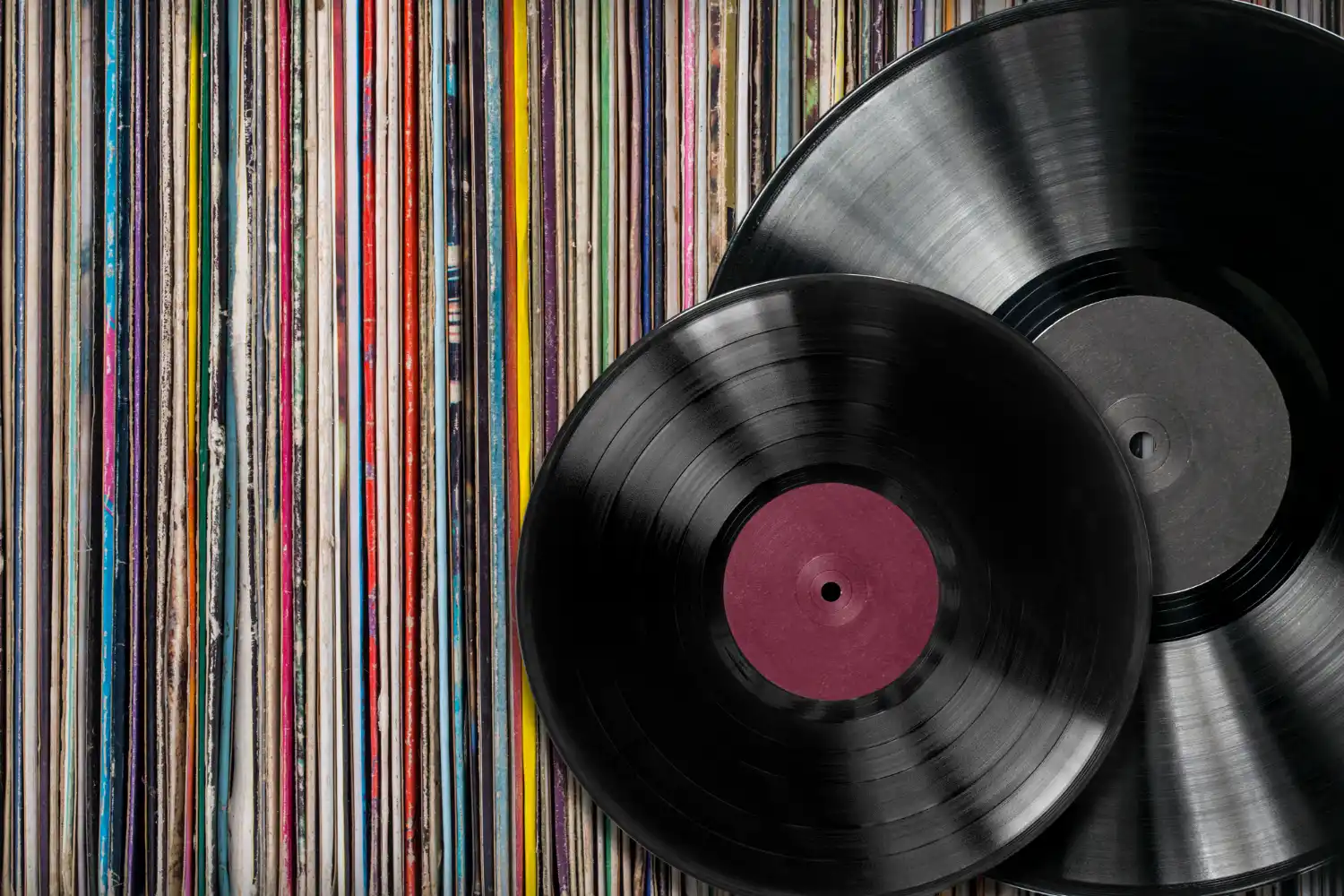
Starting a vinyl collection feels simple until you’re standing in a record shop, holding three albums you’ve never heard of, wondering if you’re about to waste $60. That moment happens to almost everyone. But it doesn’t have to — not if you know what you’re doing before you walk in.
Vinyl collecting has exploded in popularity over the past decade. Record Store Day lines stretch around the block. Artists press limited editions that sell out in minutes. Streaming is everywhere, and yet people keep going back to the physical format. Why? Because collecting vinyl records isn’t just about sound — it’s about intention, ritual, and ownership. There’s something different about dropping a needle on an album you actually bought and held in your hands.
Why Collecting Vinyl Records Has Come Back So Strong
The numbers are hard to argue with. Vinyl outsold CDs in the U.S. for the first time since the 1980s in 2022, according to data from the Recording Industry Association of America. That’s not a niche trend anymore — that’s a market shift.
Part of it is nostalgia, sure. But a lot of it isn’t. Younger buyers who never grew up with vinyl records are now among the most enthusiastic collectors. What they’re responding to isn’t a memory. It’s a reaction against the disposability of digital music. Playlists vanish. Streaming catalogs change. A vinyl record collection doesn’t disappear because a licensing deal expired.
There’s also the tactile experience. Album art at 12 inches is a different thing entirely from a tiny thumbnail. Reading liner notes, studying artwork, flipping through inner sleeves — these rituals slow you down in a good way.
What Do You Actually Need to Start a Vinyl Collection?
The short answer: a turntable, speakers or headphones, and your first record. That’s it. You don’t need to spend thousands to get started.
But the longer answer matters more. Here’s what to think through before you buy anything:
- A decent turntable that won’t damage your records. Cheap suitcase turntables look cute but their ceramic cartridges can physically wear down grooves over time. Entry-level options from Audio-Technica, Pro-Ject, or Rega in the $100–$300 range are far better choices.
- A phono preamp, unless your turntable has one built in. The signal from a turntable is much weaker than line-level audio, so you need a preamp stage before it reaches your speakers or receiver.
- Speakers or powered monitors. If you’re starting fresh, powered speakers (like Edifier or Klipsch) with a built-in amp simplify the setup significantly.
- Inner sleeves. The paper sleeves that come with most records can scratch the vinyl over time. Poly-lined inner sleeves are cheap and extend the life of your collection considerably.
You don’t need to solve all of this on day one. A lot of collectors start with a basic setup and upgrade over time. The point is to start playing records, not to engineer the perfect system before you’ve bought a single album.
How to Start a Vinyl Collection Without Overspending
Starting a record collection is one of those hobbies where it’s genuinely easy to go off the rails financially. There are first pressings, original labels, audiophile reissues, colored vinyl, box sets. The market rewards patience, and it punishes impulse.
A few practical rules that experienced collectors wish they’d followed from the beginning:
- Buy music you actually love first. This sounds obvious, but a lot of beginners get drawn into buying things that seem “important” or collectible. If you don’t love the music, you won’t play it, and it’ll just take up space.
- Thrift stores and estate sales are often the best place to find affordable records, especially classic rock, jazz, and folk. Condition varies, but deals are real.
- Check the condition of used records carefully. Look for scratches under good light, and give the record a quick warp check by holding it at eye level. A noisy record is a disappointment.
- Discogs.com is an invaluable tool for pricing both buying and selling. Before you spend $30 on a used record at a shop, it’s worth knowing what it actually trades for.
Starting a record collection on a budget is completely doable. The most important thing is knowing what you want your collection to be. That clarity saves a lot of money over time.
How to Preserve Your Vinyl Collection
Vinyl is surprisingly durable when treated well and surprisingly fragile when it isn’t. Most damage comes from four things: heat, pressure, dust and a worn stylus. Control those and a record can sound good for decades. The Library of Congress, which looks after millions of recordings, recommends storing discs upright in a cool, dry, clean and stable environment – the same basic rules apply at home.
1. Store Records Upright – Never Stacked Flat
Always store records vertically, like books on a shelf. Stacking them flat puts weight on the bottom records and can cause warping and ring wear on the jackets. Keep them snug enough not to lean, but not so tightly packed that you have to force them out. Sturdy dividers every few inches help: the Library of Congress suggests supports every 4–6 inches so discs never sag at an angle.
2. Control Temperature and Humidity
Heat is the biggest enemy: a record left in a hot car or in direct sunlight can warp in hours. Aim for a room at normal room temperature or slightly cooler, away from radiators and windows, with relative humidity around 35–40%. Avoid attics, basements, garages and outside walls where temperature and damp swing through the year.
3. Upgrade Your Sleeves
- Inner sleeves: replace plain paper sleeves with anti-static, poly-lined or rice-paper sleeves. Paper sheds fibres and can scuff the surface.
- Outer sleeves: clear polyethylene or polypropylene outer sleeves protect the jacket from shelf wear and dust. Avoid PVC sleeves, which can give off chemicals over time.
- Shrink wrap: slit or remove factory shrink wrap; it can tighten over time and bend the jacket and the record inside.
- Seam splits: some collectors store the record in its inner sleeve behind the jacket (both inside the outer sleeve) so the disc never presses on the jacket seams.
4. Handle Records by the Edges and Label
Hold records only by the outer edge and the centre label. Skin oils on the grooves attract dust and can affect playback. Put the record back in its sleeve as soon as you finish listening, and don’t leave it sitting on the platter.
5. Clean Records the Right Way
- Give each side a quick pass with a carbon-fibre brush before playing to lift surface dust.
- For deeper cleaning, use a dedicated record-cleaning solution with a microfibre pad, a record-cleaning machine, or an ultrasonic cleaner. Rinse with distilled water rather than tap water, which leaves mineral deposits.
- Avoid household cleaners and dish soap, and never wipe in circles across the grooves with a dry cloth.
- Clean used records before their first play – grit from a dirty record can damage your stylus.
6. Look After Your Stylus and Turntable
A worn or dirty stylus does more damage to a collection than almost anything else. Brush the stylus gently from back to front with a stylus brush, set the tracking force and anti-skate to the cartridge maker’s recommendation, and replace the stylus at the interval the manufacturer suggests – many are rated for several hundred to around 1,000 hours of play. Keep the dust cover closed when the turntable is not in use.
7. Moving and Transporting Records
Pack records upright in sturdy boxes made for LPs, fill gaps so they can’t slide, and never leave them in a car on a warm day. After cold storage or transport, let them reach room temperature before playing.
| Do | Don’t |
|---|---|
| Store records upright with support | Stack records flat or let them lean |
| Keep them cool, dry and out of sunlight | Store them in attics, basements or hot cars |
| Use anti-static inner sleeves and poly outer sleeves | Keep records in shrink wrap or PVC sleeves |
| Handle by the edges and label | Touch the playing surface |
| Clean with a carbon-fibre brush and proper fluid | Use dish soap, tap water or household sprays |
| Replace the stylus on schedule | Play records with a worn or dirty stylus |
How to Organize and Keep Track of Your Records
Organizing a collection is personal: some collectors file alphabetically by artist, some by genre, some chronologically or even by colour. Whatever system you choose, consistency matters more than the system itself – the goal is to find any record in seconds.
To keep track of what you own, a catalogue is worth starting early. Many collectors use Discogs, which lets you add records by barcode or catalogue number, see which pressing you have and estimate its value; others prefer a simple spreadsheet. A catalogue also helps you avoid buying duplicates and gives you a record of your collection’s value for insurance.
Where to Buy Vinyl Records: The Best Sources
Your local record shop is the first and best place to start. There’s something about browsing in person that online shopping doesn’t replicate — you find things you didn’t know you were looking for. Independent shops often have knowledgeable staff and used sections that are worth digging through.
Beyond local shops, Discogs is the largest online marketplace for vinyl records and covers everything from common pressings to rare originals. Prices are transparent, sellers are rated, and the catalog is enormous.
Record fairs and swap meets are another great source, especially for building out a collection of a specific genre or era quickly. You’re buying in volume and at lower prices than a shop typically offers.
Streaming services have made it easier to preview albums before buying, which is actually a huge advantage for collectors. You can listen to something 10 times on Spotify before deciding it’s worth owning physically. That kind of confidence before a purchase didn’t exist a generation ago.
If you’re interested in the broader history of the music you’re collecting, reading about the evolution of pop music can add real depth to your collecting decisions.
Is There a Right Way to Build a Vinyl Record Collection?
Honest answer: no. There are better and worse habits, but there’s no single right approach to vinyl record collecting.
Some collectors go deep on one genre or era. Others go wide across everything they love. Some prioritize original pressings for the sound quality and historical significance. Others care only about playing great music and don’t mind a good reissue. All of these are valid.
What tends to separate collectors who stick with it from those who drift away is intentionality. Collections that grow from a genuine sense of purpose — I want to own every Blue Note jazz record, I want to document the history of country music, I want a collection my kids will actually play — tend to bring lasting satisfaction.
For guitar lovers especially, owning records that feature iconic acoustic playing can be a natural extension of their instrument interest. The connection between acoustic and electric guitar sounds comes alive differently when you hear it on vinyl.
Frequently Asked Questions About Collecting and Preserving Vinyl
Is vinyl actually better quality than digital?
This depends heavily on the specific record, the pressing, your equipment, and what you mean by “better.” Some audiophiles argue that a well-pressed vinyl record on a high-quality system captures warmth and dynamics that digital compression can flatten. Others point out that modern high-resolution digital formats are technically more accurate. In practice, most listeners find that a clean vinyl record on decent equipment sounds great, especially for certain genres like jazz, soul, and classic rock.
How many records should I start with?
Start small. Seriously. Ten to twenty records is more than enough to get started. You want to build a collection intentionally, not just accumulate things. Starting with a focused selection of albums you genuinely love also gives you a reference point for what you want next. Collections that grow slowly tend to reflect real taste; collections that grow fast tend to include a lot of things you won’t actually play.
Can I mix new and used vinyl?
Absolutely — this is how most collections are built. New vinyl offers pristine condition and often better quality control. Used vinyl, especially original pressings from the 1960s through the 1980s, can sound exceptional and costs far less than modern reissues in many cases. Mixing both lets you build a collection with range, both in terms of sound and the story it tells.
What genres are best to collect on vinyl?
Jazz, blues, soul, classic rock, and folk are genres where vinyl collecting has a particularly rich history and where the format tends to shine sonically. But the best genre to collect is the one you actually listen to. A vinyl collection should reflect your taste, not someone else’s idea of what a “serious” collection looks like.
How do I preserve my vinyl collection?
Store records upright in a cool, dry room away from sunlight, use anti-static inner sleeves and poly outer sleeves, handle them only by the edges and label, clean them with a carbon-fibre brush and proper cleaning fluid, and keep your stylus clean and replaced on schedule.
What temperature and humidity are best for storing vinyl?
Room temperature or slightly cooler, with relative humidity around 35–40%, in a stable environment without big swings. Avoid attics, basements and hot cars.
Should I keep records in their shrink wrap?
No. Slit or remove the shrink wrap, because it can tighten over time and warp the jacket and record. Use a clear poly outer sleeve instead.
How often should I clean my records?
Brush each side quickly before every play, and do a deeper wet clean when a record is new to you or sounds noisy.
The Bigger Picture
Vinyl collecting connects you to music in a way that streaming rarely does. When you own albums from the best female singers of all time on vinyl, you’re not just accessing tracks. You’re holding something that has a history, a context, a weight.
The hobby rewards patience. Your taste will evolve. You’ll discover genres you didn’t expect to love. You’ll find records in unusual places — an estate sale in a suburb, a shop in a city you’re visiting, a friend’s collection they’re downsizing. Each one becomes part of a larger story.
Starting a vinyl collection isn’t complicated. It just takes one record, a way to play it, and the willingness to let it grow from there. The rest figures itself out.
Source: Library of Congress, Care, Handling and Storage of Audio Visual Materials.