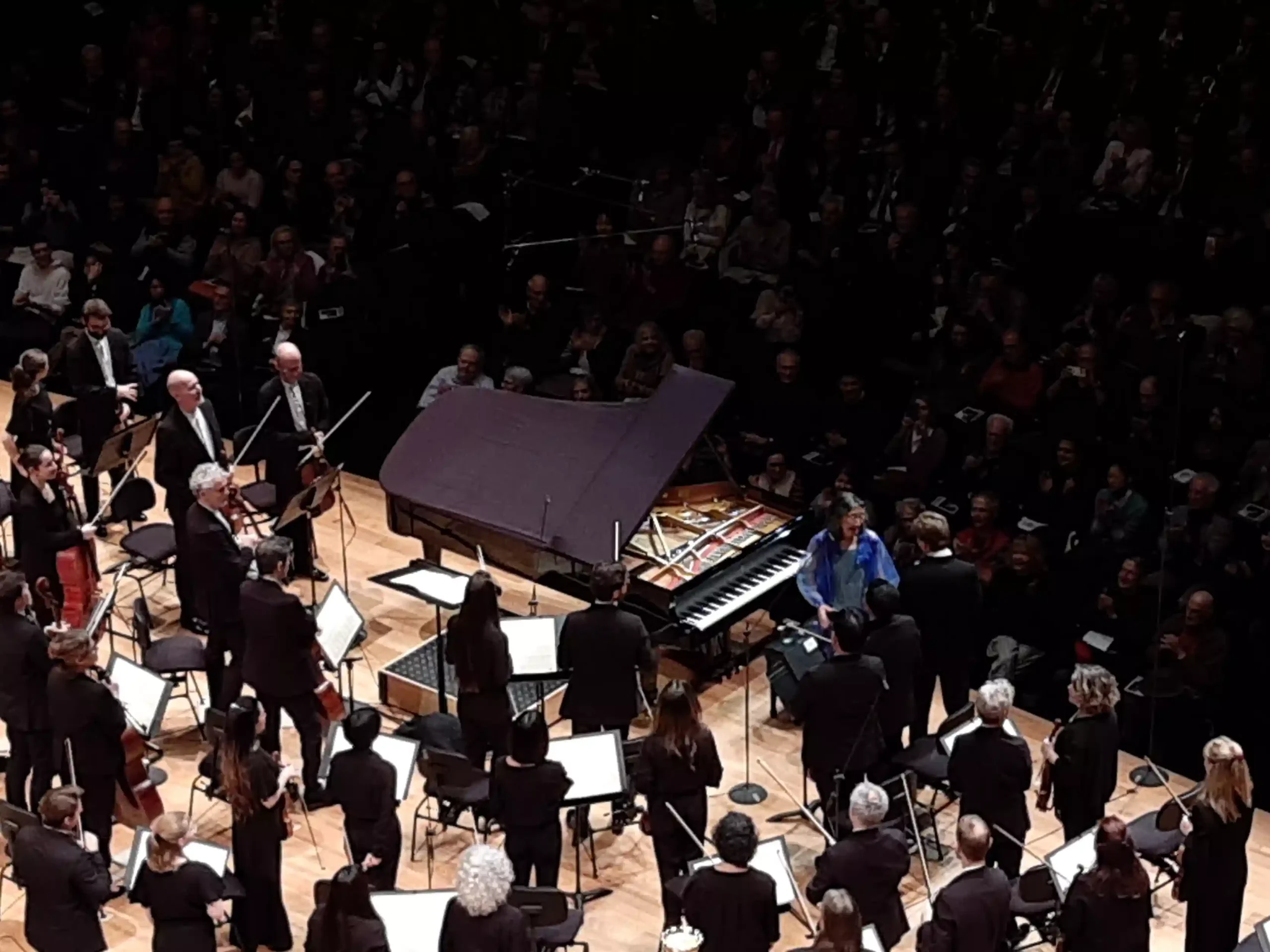
What is a concerto? It is a composition that places a solo instrument, or sometimes a small group of instruments, in an active relationship with an orchestra. The featured players and ensemble exchange themes, answer each other, combine their sounds, and create moments of dramatic contrast.
It is this relationship that gives the concerto form its particular meaning as a genre, starting back in the Baroque period with the orchestra pieces and on through the massive concert works of the 19th and 20th centuries. This article explains how concertos work, how concerto movements are organized, how the form developed over time, and what are the major differences between its main variants.
In This Article
- What Is A Concerto And How Does It Work?
- From Baroque Origins To Romantic Virtuosity
- How Composers Pushed The Form’s Boundaries
- The Main Types And Their Musical Forces
- The Solo Concerto In Performance
- Key takeaways
- Frequently asked questions
- Listen for the Musical Dialogue
What Is A Concerto And How Does It Work?
Within each concerto, there are soloists that play against the background of the rest of the orchestra. This genre relies on a contrast where individual performers, whether they play piano, violin, cello, or wind instruments, present melodies that the larger ensemble then repeats, alters, interrupts, or supports. In some places, the soloist seems to be fighting against the rest of the orchestra, and in other places they work as one big orchestra.
But the orchestra is not merely providing the background, it brings forth motifs, plays with changes in colour and volume and sets up the moments when the soloist enters. The push and pull of confrontation creates a dramatic quality in the [concerto musical] which has no storyline. Although the soloist is given centre stage, it is the balance between these two entities that is the main feature of the piece.
Understanding Concerto Movements
Most concertos have three movements arranged in a fast-slow-fast sequence. The opening movement usually establishes the principal themes and the strongest tension between soloist and orchestra. A slower middle movement then creates space for lyrical playing, softer orchestral colors, and a more reflective mood. The finale restores speed and energy.
The changes in tempo also help give the listener a sense of the large scale of the piece. Many concertos also have a cadenza, which is normally performed towards the end of a movement. In a cadenza the orchestra rests or steps back, allowing the soloist to play an extended and ornate passage which can explore previous musical ideas and demonstrate the performer’s control, imagination, and virtuosity.
From Baroque Origins To Romantic Virtuosity
The form developed in the Baroque era. In the «concerto» grosso, a small group of players is juxtaposed with the full ensemble. Arcangelo Corelli developed the idea; Antonio Vivaldi added precision and excitement to the «solo concerto»; and Johann Sebastian Bach increased its contrapuntal and instrumental potential.
Mozart took a step forward in making the orchestra part of the drama, particularly in his piano concertos. Beethoven pushed the form to new lengths and weights. The Romantics used the concerto for grand public statements, the might of the orchestra matched against the unique voice of a virtuosic soloist.
How Composers Pushed The Form’s Boundaries
Composers of the 19th century also wrote longer pieces where themes would return in different movements. Johannes Brahms gave the orchestra a big symphonic part, so the soloist had to play with a thick musical argument behind him. The likes of Niccolò Paganini and Frédéric Chopin went for different ends, the former a virtuosic display for violin, the latter more lyrical, even poetic, for the piano.
Rachmaninoff fused lush, long-breathed melodies with formidable pianistic demands and an immense orchestra. In the 20th century, Bartók toyed with rhythmic, harmonic, timbral, and percussive elements as well as instrumental color, and even in his Concerto for Orchestra, he redefined the concept of the virtuoso by making individual orchestral sections the virtuosic soloists rather than one individual who stays constant.
The Main Types And Their Musical Forces
The number and role of the soloists determine the type of concerto. A «solo concerto» concerto usually features one soloist competing with, or being accompanied by the orchestra. Double «concerto» concertos have two soloists, and those having three or more soloists are classified accordingly. For example, the «Concerto» for Two Violins by J.S. Bach is a Baroque era double violin concerto where both players share the role of the soloist.
A concerto grosso uses a small group, called the concertino, in contrast with the larger ensemble, or ripieno. The balance shifts continually between intimate and full textures. A concerto for orchestra takes another route by spotlighting individual players or sections within the ensemble, often passing technically demanding material from one group to another.
The Solo Concerto In Performance
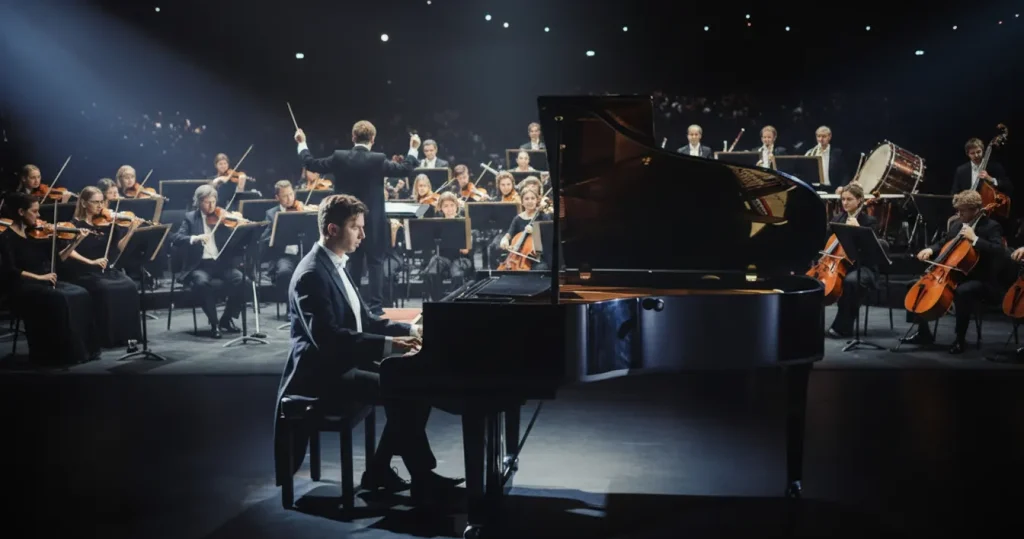
Most people are familiar with this type: solo concerto. The soloist is either standing or sitting near the conductor, and plays passages of music that alternate with, and blend into, music played by the orchestra. This can only happen if all players understand each other very well, and tempo shifts, entry points, rests, and even some degree of rubato, if present, should all be evident despite the apparent spontaneity of the solo part.
Listen for how a theme moves between the two forces. The orchestra may introduce it before the soloist reshapes it with ornament, altered rhythm, or a different mood. Technical display has a dramatic purpose when it intensifies that exchange. A cadenza brings the soloist into sharpest focus, after which the orchestra’s return restores the larger musical frame.
Key takeaways
- A concerto features a soloist or small group in dialogue with an orchestra.
- Three contrasting movements in a fast-slow-fast pattern make up most of these examples.
- The form developed from Baroque ensemble writing into a vehicle for virtuoso soloists.
- Solo, double, and grosso forms differ mainly in their featured musical forces.
- You can more easily detect the form if you listen for thematic exchanges and cadenzas.
Frequently asked questions
What’s the difference between a concerto and a symphony?
concerto refers to music with the intention of featuring the interplay between one or more soloists and the accompanying orchestra, whereas a symphony refers to music written for orchestra without the intention of featuring the interplay between a soloist and the orchestra, though it may contain prominent solo passages for individual instruments.
What is the difference between a concerto and a sonata?
A concerto usually includes a soloist or small group playing with an orchestra and consists of 3 movements, while a sonata is usually written for one instrument or a small group such as violin and piano without orchestral accompaniment and has its own movement structure. In addition, the term “sonata form” refers to a type of thematic organization that may be used in either genre.
What is the most famous concerto of all time?
Technically there is no right answer, but one of the more popular choices is Vivaldi’s The Four Seasons. This is really 4 violin concertos, each based on one of the seasons. Another popular choice might be Beethoven’s Fifth Piano concerto or Rachmaninoff’s Second Piano concerto.
What are the big five concertos?
It generally means the Beethoven, Brahms, Mendelssohn, Tchaikovsky and Sibelius concertos; however, the phrase is not fixed, and it can sometimes include Bruch’s 1st Violin Concerto instead of one of the others, depending on local traditions and preferences.
What is a concerto grosso?
A concerto grosso is a Baroque form that contrasts a small group of soloists, the concertino, with the larger ensemble, the ripieno. Corelli and Bach produced important examples, though Bach’s Brandenburg Concertos vary the featured instruments and their roles.
Listen for the Musical Dialogue
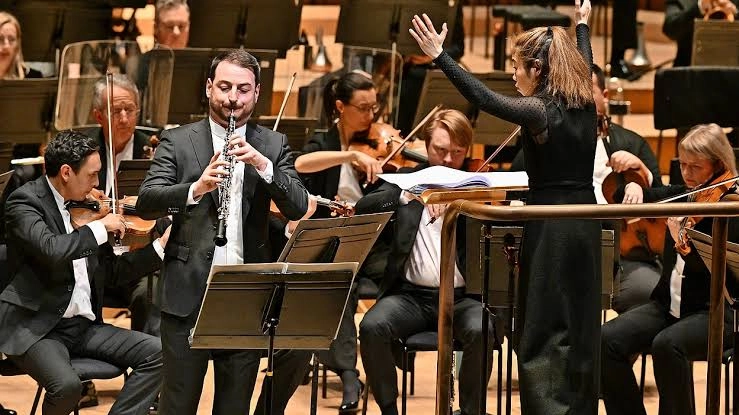
This text refers to the solo concerto (or just concerto), a type of music for one or a few solo instruments accompanied by an orchestra. The soloist is usually in competition with, or alternates with, the rest of the orchestra. It developed from the Baroque concertos of Corelli and Vivaldi and continued through the Classical period of Mozart and Beethoven, and into the Romantic era.
Pay attention to who plays each theme, and what answers it. Listen for shifts in tempo and mood between the movements. Notice the cadenza, which highlights the soloist. All these elements help you understand the structure of a concerto and explain why concertos are among the most thrilling pieces in the classical canon.