
Bossa nova started to alter the syncopated rhythms of samba with a more intimate style. It was a genre of music that emerged in Rio de Janeiro in the late 1950s that used the sounds of a nylon-string guitar and understated vocals together with harmonically complex material to create a unique sound. Through a series of key collaborations and recordings, bossa nova eventually crossed over into the U.S. jazz scene, where it became highly influential. Some important features of bossa nova songs include the guitar accompaniment featuring offbeat chords, a constantly flowing bass line plucked by the guitar’s thumb, and understated percussion playing. The tempos are slow and languid and the Portuguese lyrics are sung in an almost conversational style. At its best it achieves a relaxed and unstudied feel, which only belies its underlying rhythmic discipline and harmonic sophistication.
In This Article
- Bossa Nova History: Bossa Nova Artists And Bossa Nova Instruments
- The First Recordings That Defined The Movement
- How The Sound Reached The United States
- The American Breakthrough And Global Craze
- Antônio Carlos Jobim’s Lasting Influence
- From Late-Century Revival To Modern Recordings
- Why Its Quiet Sound Still Resonates
- Bossa Nova History: Key Context, Examples, And Next Steps
- Bossa Nova Artists: Scope, Context, And Responsible Use
- Key takeaways
- Frequently asked questions
- Why the Sound Endures
Bossa Nova History: Bossa Nova Artists And Bossa Nova Instruments
Brazilian bossa nova is a musical genre that was developed and first popularized in Rio de Janeiro. It can be seen as an effort of composers, musicians, and lyricists all combined. It is typified by its unique guitar rhythm, a subtly delivered vocal part, poetic texts with themes of urban life and love and longing, and harmonic innovations, all of which were first popularized in the genre through the works of musicians and songwriters, such as guitarist and vocalist João Gilberto, lyricist Vinícius de Moraes, and composer and pianist Antônio Carlos Jobim. Gilberto developed the phrasings and vocal timbre that became characteristic of bossa nova, Moraes provided sophisticated literary poetics, and Jobim composed many standards of the genre and pioneered its harmonies on the piano.
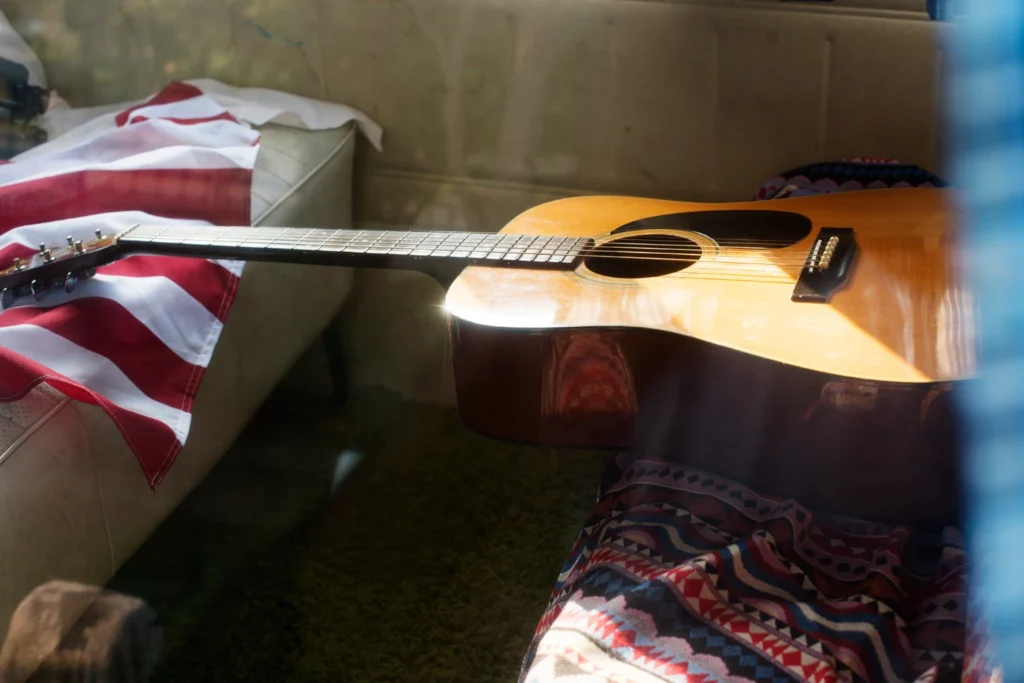
The core bossa nova instrumentation consists of rhythm guitar, bass, piano, and muted percussion. Bossa nova groups are concerned more with space than with sheer volume. Rather than trying to outdo each other, musicians balance each element for the sake of the music. The backbone of bossa nova music is its subtle but powerful rhythm section. The nylon string guitar is the main rhythmic driver and provides the music with its characteristic beat. The piano supplies full, sustaining chords. The bass, meanwhile, grounds the music and gives it a cool, relaxed feel. Percussion can be heard as well but is generally muted and restrained, calling to mind the beat of a samba without recreating a full carnival drum line.
From Samba Roots To A New Sound
This musical movement got its start out of Rio de Janeiro, Brazil. One of the defining changes that happened within bossa nova history was when the young musicians took the large and loud percussive sound of samba and reduced it to be more an intimate, quieter sound. They used syncopated guitar parts to keep the drive of the rhythm that the samba would originally have. The song would often be played in more personal spaces, like in apartment’s, which allowed for softer vocals and fewer instruments that were only playing key, essential notes in the harmony. Rio de Janeiro was crucial as it served as the birth place of bossa nova. Rio’s musicians played in more intimate areas which allowed for a clearer picture of all the different elements of harmony and rhythm that they used to exchange music and influence each other.
The Bossa Nova Style In Rhythm, Voice, And Lyrics
Bossa nova is a musical style that projects an outward calmness and relaxed attitude, even in the face of sad topics and complex harmonies. Listen closely. If you are listening to bossa nova, the style will most likely be apparent through the guitar. The guitar is played with a steady bass line on the thumb and a syncopated rhythm off the beat with the other fingers.
If there is a singer, the vocal style is usually soft and conversational in nature, laid over the tension created by the syncopation of the guitar. The tempos are usually not rushed. The lyrics are usually written in Portuguese, and the mood tends to be wistful.
Try to listen for this combination of qualities the next time you hear a song.
The First Recordings That Defined The Movement
While the track “Chega de Saudade” offered one of the earliest templates for this new sound, it was the 1959 album by João Gilberto of the same name that really made its presence felt, and provides an accessible starting point for anyone wishing to explore bossa nova brazil through recordings. The song itself, with its compressed rhythms and laid-back vocal style, plus some intriguing harmonies within the chord progressions was an instant classic, and one of the key songs to come out of the genre; however, the album itself provided a coherent expression of this new style, rather than just a singular statement. As such, it provides a strong basis upon which to start any discussion of bossa nova music.
Gilberto’s spare, understated style was evident from the beginning, particularly in how Jobim’s work functioned within it. The record offered a fascinating look at the interplay of Gilberto’s style and the songwriting of Jobim and Vinícius de Moraes. His extremely precise, and tension-infused guitar lines breathed life into Jobim and Moraes’ melodies and lyrics. Similarly, when Gilberto did sing, it was seldom to shout over the music, or showboat vocally. This emphasis, rather than on volume, allowed other aspects of his voice (his phrasing, harmonizing ability, and the sounds of the Portuguese language) to come more to the fore.
How The Sound Reached The United States
In addition, the music that jazz musicians would encounter while in Brazil appealed to the musicians in certain ways. The harmony was quite similar to what jazz musicians were already hearing, yet with the sophistication and complexity these musicians were looking for. Rhythmically it was very different from what jazz players normally dealt with; however, it had a softer feel than the jazz they were accustomed to. Charlie Byrd was one important figure that made a journey between Brazil and the United States. His trip to Brazil introduced him to much of this music, and when he returned to the States he brought some of this music with him. It is important to note that much of this music was appealing to jazz musicians, but had a common thread of the samba at its core.
How did bossa nova establish itself in the United States? The international path of bossa nova music proves that it is much more than simply Brazilian musicians making jazz music (and therefore, not jazz). The sound was also much more than simply traditional samba, which means that the genre is much more than just samba without significant change. For many, the genre was introduced through the concert at Carnegie Hall in 1962. For the first time, many Americans were able to hear a full concert of bossa nova music performed by Brazilian musicians. The prestigious venue allowed this new sound to reach a group of listeners, critics, and performers that could really help it make its mark and become integrated into jazz culture.
The American Breakthrough And Global Craze
The jazz musician Stan Getz, together with Charlie Byrd, recorded the album Jazz Samba. The musical style is essentially an adaption of the Brazilian rhythms to a very American jazz format, making it more instrumental and accessible for the American jazz market. It was a huge success which made way for deeper cultural collaborations such as the partnership of Stan Getz with the Brazilian João Gilberto. Jazz Samba. The jazz musician Stan Getz, together with Charlie Byrd, recorded the album Jazz Samba. The musical style is essentially an adaption of the Brazilian rhythms to a very American jazz format, making it more instrumental and accessible for the American jazz market. It was a huge success which made way for deeper cultural collaborations such as the partnership of Stan Getz with the Brazilian João Gilberto.
The partnership kept the bossa nova style intact. The subtle and uncrowded rhythms allowed the music to breathe and placed the saxophone front and center in this arrangement. The tunes worked just as well in English as they did in Portuguese. Their recordings introduced a whole new audience to their music, one that went far beyond the realm of jazz enthusiasts. Their Grammy-recognized records cemented their music as a bona fide craze. The lighter, less energetic tone of the music (as opposed to the often energetic samba jazz) proved to be a popular combination. Their recordings were a commercial crossover that was critically acclaimed and a musical phenomenon.
Why “The Girl From Ipanema” Became The Signature Song
The original recording is from the Getz/Gilberto album. It is important to note that this song does represent the 」 movement as it is known by many. The original version of the song features an artist with a name like bossa nova, Astrud Gilberto, whose vocal style and English lyrics make the song immediately accessible to non-Portuguese speakers, all the while still retaining an unforced intimacy. These elements, along with Stan Getz’s saxophone performance and the mellow 」 instrumentation make for a clear and concise rendition of the melody. The song, and the album from which it hails, became an international hit with radio stations worldwide playing the tune over and over again. While the vast bossa nova movement is more encompassing than just this iconic tune, for many it will likely remain representative of all bossa nova.
Antônio Carlos Jobim’s Lasting Influence
This can be seen in classics like “Desafinado” and “Corcovado,” two songs whose continuing importance serves as a reminder of the influence of Jobim’s body of work. Although his tunes are quite singable, the chords undergo subtle changes of tension and release that reward the careful performer. In a broader sense, what made Jobim’s music, and this is the point that is of greatest importance to the jazz-savvy listener, was the way he synthesized the harmonic movement with the samba-derived phrasing on a compositional level, as opposed to simply writing jazzy chords over a Brazilian beat. Antônio Carlos Jobim: The Man
Songs that can survive being sung differently, in different languages, on different instruments, at different tempos. Tom Jobim’s (aka Antônio Carlos Jobim) enduring legacy is that he wrote songs strong enough to survive different interpretations. They can be played by guitarist alone, with an intimacy… …or by jazz ensemble, with a broader harmonic focus. It’s this resilience in his songs that allows them, when taken individually, to form into a permanent, worldwide songbook. Jobim wrote good songs. That’s why you can listen to the clips above and recognize they are the same song.
Jobim’s Most Important Collaborations
Collaborators helped to shape, and express, the Jobim sound. In their respective ways, collaborators like Vinícius de Moraes, João Gilberto, Stan Getz, and Frank Sinatra helped shape the Jobim songbook, each bringing Jobim’s songs to a different crowd. Vinícius de Moraes helped provide lyrical content and emotional clarity to Jobim’s melodies, creating an identity and focus to his songs. João Gilberto’s work with Jobim demonstrated how Jobim’s music worked: vocally restrained, driven by a guitar, and hinging upon rhythmic precision. Collaboration with Stan Getz provided a gateway to connect bossa nova directly with American jazz. With Frank Sinatra, Jobim’s compositions were introduced in a context that legitimized them alongside other popular standards. He helped present Jobim’s writing to a mainstream popular music audience. Each of these collaborations altered the presentation of Jobim’s songs, but did not obscure them.
From Late-Century Revival To Modern Recordings
The main difference between such contemporary iterations and classic bossa is that the former places more emphasis on mood than on rhythmically complex structures; the former may well resemble bossa nova in surface traits, but it is almost always lacking in the tension which is at the heart of the genre. Though it declined in popularity after the first bossa nova boom, the music has continued on through lounge venues, electronic music productions and fresh Brazilian recordings. The delicate percussion and hushed vocal sounds of bossa nova have often attracted electronic music producers who have either sampled the music or tried to imitate its sounds. At the same time, many singers and instrumentalists have explored bossa nova and continue to perform tracks from its great standard repertoire.
It’s tempting to characterize bossa nova as nothing more than a laid-back vibe, but the better elements of the genre demand more than merely a chill atmosphere. Defining it by its instrumentation can be tricky, but if musicians pay more attention to the pulse and how it relates to the phrasing, they can avoid making a mess of the international reinterpretation. Those who manage to successfully recreate the genre’s spirit in the modern era use the original syncopation and chord structures, along with a conversational, spoken vocal style. While these tunes do feature pop song structures and electronic production, synthesizers and drum machines never overpower the rhythmic drive and harmonic complexity that made bossa nova such a significant force in late-century music.
Contemporary Performers Carrying The Sound Forward
Modern recordings of bossa nova brasil often include elements of jazz and pop, as well as modern versions. For example, Brazilian artist Bebel Gilberto used the style of Brazilian songwriting, but used contemporary popular music and electronic music styles. However, she still featured the intimate singing style in her songs. In another example, the group Nouvelle Vague uses bossa nova to sing many songs from other genres. These examples show how recognizable the music in bossa nova is. The musical and lyrical conventions can be used to create new and different pieces of music that are still easily recognizable as bossa nova. More information can be found in the discographies of these artists. The specific details regarding the latest trends, new releases, and catalog availability in this sector are subject to frequent changes. For the most up-to-date information, we advise checking back periodically or referring to official industry resources.
Why Its Quiet Sound Still Resonates
The intimate nature of the vocal delivery gives the songs a certain personal quality that makes them accessible despite language barriers. The singers don’t necessarily need the big voice because the tunes lend themselves more to control and precision of phrase, diction, and timing. And that closeness of sound suits the spaces in which they’re most likely to be heard, be it a small room or headphones, where the melodies can be savored. They might also lend themselves well to orchestration or jazz backing, as there’s little that would get in the way of these genres.
In the right hands, they reveal themselves as jazz standards, pop standards, or as the basis for lush lounge pieces or film compositions. There are rich harmonic possibilities to be mined here, and many a jazz player has done exactly that. But they have strong melodies that lend themselves to being sung. There’s a certain mood and texture to be extracted from them that works for a film score or a lounge act. This kind of flexibility is a mark of great composition, and it explains in part why they’ve remained relevant for so long. Different musicians and composers have found different things to latch onto and yet somehow none of it has been mined out. Which is a testament not just to Antônio Carlos Jobim, but also his collaborators. The group created a versatile and exciting songbook that still rewards digging.
Bossa Nova History: Key Context, Examples, And Next Steps
The Girl from Ipanema is undoubtedly Bossa Nova’s biggest hit, but it’s just one song. It may define Bossa Nova for some people, but listen to it as just one example of the genre. Here, bossa nova is presented not as a song, but as a collection of musical collaborations. Listen to a selection of tracks to hear the bossa nova genre grow and develop, as interpreted by both Brazilian and American musicians. The sequence starts with the rhythmic grammar of the genre, as established in the original vocal and guitar on “Chega de Saudade.” Jazz Samba is an interesting example of bossa nova interpreted by American instrumentalists. Getz/Gilberto could be seen as a more fully-integrated Brazilian-American collaboration; compare the two.
In order to make the most of bossa nova’s sound, it’s important not only to listen to the music but really hear it, to hear its individual parts. Listen first to the bass lines and chords of the guitar. Where do you hear the voices positioned within the mix? Where are the harmonies going and where do they rest? You might be listening to bossa nova for the first time, but as you hear the individual elements you can begin to pick up on artistic decisions in the music that you might not have noticed if you’d been simply having the music play in the background while relaxing.

Bossa Nova Artists: Scope, Context, And Responsible Use
The one about bossa nova that everybody knows In addition to Gilberto, who offered up his method of performance, and Jobim, who wrote most of the music (and so much else!), you should listen to some of the work of the bossa nova lyricist de Moraes. Along with Astrud Gilberto and Stan Getz, they took bossa nova and turned it into something slightly different, at least in terms of its presentation to jazz musicians and fans elsewhere in the world. It’s important to listen to the works of these musicians in order to make sure that the one track that everybody hears about doesn’t stand in for all Brazilian musicians who have been associated with bossa nova.
Note: If you are writing about adaptations and the artists who produced them, or compiling playlists, be sure to check credit to performers and songwriters. Bossa nova influence on later artists
It is common in rock, pop, and world music for a later interpreter to latch on to an aspect or even a couple of elements of the bossa (harmonic, textural/instrumental, vocal style, mood, etc.) and incorporate it into their song or sound. This doesn’t necessarily mean they have fully incorporated bossa nova as a style. So, don’t assume that every chill-out Latin-influenced tune is derived from the same musical lineage. The catalogues of performers, streaming availability, reissue information, etc, will vary over time, so it’s always important to check a label or official artist listing for current information.
Key takeaways
Bossa nova is a type of music that originated in Brazil, with the genre’s key songs written by João Gilberto, Antônio Carlos Jobim and Vinícius de Moraes, among others. The genre developed in Rio de Janeiro in the late 1950s as a quiet alternative to samba, and is characterized by its intricate harmonies and subtle, soothing quality. The signature bossa nova sound features syncopated guitar rhythms, laid-back vocals and minimal percussion, all delivered with an understated subtlety. Nostalgic lyrics are also common, especially those referring to love, nature and the sea. The movement was taken globally by artists such as jazz great Stan Getz, and made famous with songs like The Girl from Ipanema. Although bossa nova was originally a very specific style of Brazilian music, its influence can still be seen in genres ranging from lounge and jazz to pop and electronic. The sound can also frequently be heard on film soundtracks and TV shows.
Frequently asked questions
What does bossa nova literally mean?
What does it mean? It is a musical movement, which was characterized by a novel approach to existing styles of Brazilian music. These existing rhythms were performed in a softer style, with a stronger emphasis on the guitar and a more sophisticated harmonic language. Does bossa nova translate to mean something? The term bossa nova is Portuguese in origin, and can be roughly translated as something akin to a “new trend” or “new wave,” or similar. Is there such thing as a bossa nova rhythm? The term bossa nova does not refer to a particular dance, musical instrument or rhythm, rather it describes a style or philosophy.
What is that one famous bossa nova song?
If a listener has heard bossa nova before, it most likely involved a Jobim song. The song is a signature piece about a woman walking in the district of Ipanema in Rio de Janeiro, and the man who wrote the song watching her. The best version of the song to listen to is probably the one featuring English language vocals by Astrud Gilberto and saxophone player Stan Getz. The English language section of the song and catchy saxophone line made the song popular around the world. It is the first song most people associate with bossa nova music. Of course, there are plenty of other songs by these composers that are just as good of an introduction to the music. Jobim and de Moraes’ “Chega de Saudade,” “Desafinado,” and “Corcovado” are all excellent examples of bossa nova to listen to.
What is bossa nova vs jazz?
Frequently asked questions
The term is a reference to a new wave or movement in Brazilian music. It is a genre with its own distinct rhythmic identity, originating out of samba music, as well as its own approach to songwriting (Portuguese language), and a distinctive guitar technique. Its origins can’t be reduced to simply Brazilian jazz. Is Bossa Nova a form of jazz? The Bossa tradition has much in common with jazz, particularly its use of extended harmony, and approaches to interpretation. That said, jazz emerged out of very different traditions that focused on improvisation, small group interaction, and swing feel. These common ties make the two styles collaborate easily together, but this shouldn’t detract from the rhythmic and cultural foundation of Bossa.
Is bossa nova Spanish or Portuguese?
Q. Why doesn’t the song sound right with English lyrics? The form is from Brazil and is traditionally associated with the Portuguese, not Spanish. Q. But Spanish is also a Portuguese language. The most widely spoken language of Brazil, the source of the music, is Portuguese. The phrasing of this style of music also reflects the sounds of the Portuguese language, with its smooth consonants and liquid vowels. Q. But there are lots of songs in English. There are many recordings of the song made throughout the world with English lyrics. The structure of a language determines the melody sung in that language. The melody changes subtly when adapted into a different language. It still is sung in the same chords, but has a different feel.
What is bossa nova music, and what is a bossa nova rhythm?
The bossa nova rhythm is basically a guitar pattern made up of steady bass notes and offbeat chords. The guitar can provide the main drive and balance in bossa nova songs, although percussion might also accent the basic beat pattern. What is Bossa Nova music? The bossa nova is a quiet Brazilian musical style. It combines syncopation from the samba with sophisticated harmony. The vocal styles in bossa nova are conversational, and musical arrangements are understated. What instruments are used in bossa nova music? The guitar and percussion can be used to provide the basic rhythmic structure of a bossa nova song.
Why the Sound Endures
The music of bossa nova can be traced back to Brazilian innovators such as guitarist Gilberto, composer Jobim, and lyricist de Moraes. Why the Sound Endures Bossa nova Bossa nova takes the samba and makes it quieter and more intimate as well as more harmonically adventurous. Gilberto’s understated singing matched his innovative guitar playing. Together with Jobim and de Moraes they created a body of work that seamlessly crossed over into jazz while still hinging on its Brazilian roots.
Syncopation gives it movement. Close vocals provide intimacy. The songs were often flexible in structure. All of this made them easy to adopt into a different genre or context, and recordings like “Chega de Saudade” or Getz/Gilberto helped spread bossa nova songs all over the world. Eventually, the craze subsided, but the logic and beauty of bossa nova has had a lasting influence on all sorts of music from pop to jazz to, of course, Brazilian music. On the surface, bossa nova is a simple sound. Beneath it, however, is a sophisticated system of harmony and rhythmic balance. While it can sound relaxed and easy listening, there’s a discipline to the music. That combination of complex-but-accessible makes bossa nova a lasting influence not only in music but in a particular sensibility as well, from lounge and electronic music to film scores.