
The biggest music festivals in the world aren’t the ones you see all over Instagram. By raw attendance, the top spots go to a free festival in Vienna, a nine-day event in Morocco, and a lakeside giant in Milwaukee. This guide ranks the largest festivals by attendance, then covers the most popular music festivals that travelers actually plan trips around, so you can figure out which one belongs on your list.
Most people assume Coachella is the biggest music festival in the world. It gets the most coverage, the most celebrity sightings, and the most outfit photos. But by the numbers? It’s not even close. The top 10 music festivals in the world by attendance include events you’ve probably never heard of, pulling crowds that dwarf anything happening in the California desert.
Here’s the thing. “Biggest” can mean a lot of things: total attendance, global reputation, cultural weight, or sheer production scale. This article separates those things clearly, so whether you’re chasing the most popular music festivals on earth or trying to figure out what are the biggest music festivals worth flying overseas for, you’ll have a real answer by the end.
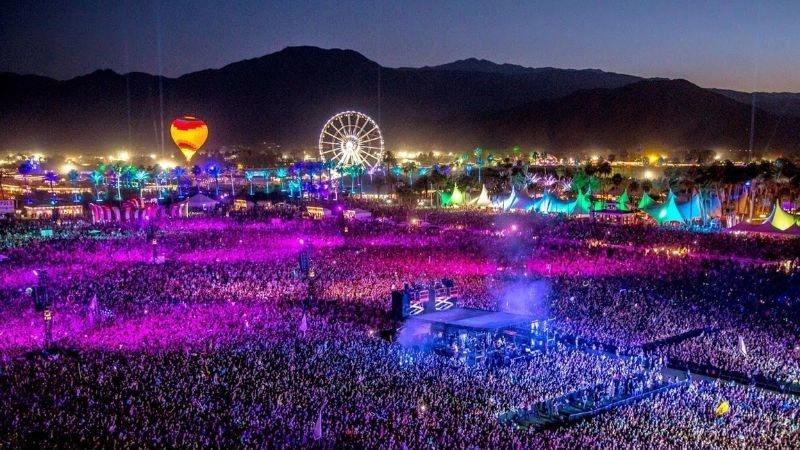
In This Article
How We Ranked the Biggest Music Festivals
The biggest music festivals on the planet aren’t ranked by prestige or media buzz. We ranked them by total attendance across all festival days, then noted which ones have a genuine international footprint beyond their home country. A festival that sells 80,000 premium tickets but packs in 3 million free attendees deserves to be near the top of that list, even if it never trends on social media.
There’s also a meaningful distinction between events that are purely music events and ones like SXSW, which blends music with film, tech, and conference programming. Both belong on a global list of big music festivals, but they serve different audiences. We call that out for each entry below.
And one more thing worth knowing before we get into the list: there is genuinely no single “world’s biggest festival.” Summerfest in Milwaukee holds a Guinness World Record for it. Donauinselfest in Vienna holds a separate Guinness record for single-location attendance. And Mawazine in Morocco has posted the highest raw attendance number of any festival in recent years. All three have a legitimate claim. The short answer? It depends on how you’re counting.
| Festival | Location | Est. Attendance | Free Entry? | Duration |
|---|---|---|---|---|
| Mawazine | Rabat, Morocco | 3.75 million (2025) | ~90% free | 9 days |
| Donauinselfest | Vienna, Austria | ~3 million | 100% free | 3 days |
| Summerfest | Milwaukee, USA | 800,000–1 million | No ($33 GA) | 9 days |
| Rock in Rio (Brazil) | Rio de Janeiro, Brazil | ~700,000 | No | 7 days |
| Tomorrowland | Boom, Belgium | ~400,000 | No | 2 weekends |
| Sziget Festival | Budapest, Hungary | ~400,000–500,000 | No | 7 days |
| Coachella | Indio, California, USA | ~250,000 | No ($549+ GA) | 2 weekends |
| Glastonbury | Somerset, England | ~210,000 | No | 5 days |
| Primavera Sound | Barcelona, Spain | ~220,000 | No | 5 days |
| Fuji Rock | Naeba, Japan | ~100,000 | No | 4 days |
Donauinselfest in Vienna
Donauinselfest is the biggest festival in the world by single-location attendance, and it has the Guinness record to prove it. In 2015, 3.3 million people attended over three days on a 4.5-kilometer strip of Danube Island in Vienna. The event is completely free, organized by the city, and covers everything from pop and rock to electronic and classical music across more than 16 stages. It’s less a commercial festival and more a massive public celebration that just happens to be the world’s biggest festival by those numbers.
Mawazine in Rabat
If you want the biggest musical festival in the world by total recent attendance, Mawazine is the current answer. Morocco’s capital hosts this nine-day event every June, and the 2025 edition drew more than 3.75 million visitors, according to the official Moroccan government press release. Around 90% of shows are free across multiple stages in Rabat and Salé, mixing global headliners with Arab and African artists. It’s one of those biggest festivals that most people outside Africa and Europe have simply never heard of.
Fuji Rock in Naeba
Fuji Rock is Japan’s biggest festival, held at the Naeba Ski Resort in Niigata Prefecture every July. The mountain setting is genuinely spectacular, but it comes with real planning requirements: summer rain, mountain weather, and a site that spreads across steep terrain. The lineup typically blends international rock, indie, and electronic acts with Japanese artists, drawing around 100,000 attendees over four days. For those who love camping festivals with a sense of adventure, it’s one of the most distinctive biggest festivals you can attend in Asia.
Lollapalooza in Chicago and Beyond
Lollapalooza earns its spot on any list of the biggest music festival in the world conversations not just because of its flagship event in Grant Park, Chicago, but because of how far it’s spread. The brand now runs international editions in Berlin, Paris, Stockholm, Buenos Aires, and São Paulo, making it genuinely global in a way most U.S. festivals aren’t. The Chicago edition draws around 400,000 people over four days, covering alternative rock, pop, hip-hop, and EDM, with the city’s lakefront as a backdrop that’s hard to beat.
Primavera Sound in Barcelona
Primavera Sound is one of the biggest music festival in the world discussions that keeps coming up for good reason: its programming is genuinely exceptional. The Barcelona edition runs across the Parc del Fòrum in early June, drawing around 220,000 attendees with an indie, electronic, and experimental lineup that most other festivals can’t match for depth. It was the first major festival to achieve a gender-equal lineup, back in 2019. The Barcelona base makes it as much a city break as a music trip, which is part of what makes it one of the biggest festivals in terms of international appeal.
SXSW in Austin
SXSW is a different kind of event. It doesn’t have a single festival field or a wristband gate. Instead, it takes over downtown Austin every March with music showcases, film screenings, tech panels, and conference programming spread across hundreds of venues simultaneously. Around 160,000 people attend the music component alone, making it one of the largest music festival in the world when counted correctly, but the discovery-focused format makes it feel nothing like a traditional festival. If you’re looking to find emerging artists before they blow up, SXSW is in its own category.
Sziget Festival in Budapest
Sziget is one of the largest music festival in the world events that doubles as a genuine week-long vacation. Held on Óbuda Island in the Danube just north of Budapest, it runs for seven days every August and draws 400,000 to 500,000 attendees from across Europe, Australia, and North America. English is the default language on site. The lineup spans pop, rock, electronic, and world music, and the island setting means there’s a genuine sense of being somewhere separate from the rest of the world for a week.
Rock in Rio in Lisbon
The Lisbon edition of Rock in Rio brings stadium-scale pop, rock, and electronic headliners to Parque Tejo over four days in late June. It’s a non-camping urban festival, which means you stay in the city and use Lisbon’s transit network to get to the site. That format is genuinely practical for international travelers. Rock in Rio Lisboa is one of the largest festival in the world events that works well as a combined music trip and city break, especially since Lisbon is one of the most affordable major European capitals right now.
Rock in Rio in Brazil
The original Rock in Rio, launched in Rio de Janeiro in 1985, is one of the best rock festivals in the world by any measure. That first edition drew an estimated 1.38 to 1.5 million people over 10 days, which was unheard of at the time. Founder Roberto Medina deliberately priced tickets at around $8 USD, compared to the $80 average for comparable U.S. shows, specifically to make it accessible. The Brazilian flagship is now one of the largest festival in the world events by total production scale, with up to 100,000 attendees per day inside the custom-built City of Rock at Parque Olímpico.
Roskilde Festival in Denmark
Roskilde is the largest music festivals conversation that doesn’t get nearly enough attention outside Scandinavia. Denmark’s biggest camping festival runs for eight days every summer and draws around 130,000 attendees, but what makes it distinctive is its nonprofit, volunteer-driven model: all profits go to charity, and the festival has been running since 1971. The lineup covers rock, hip-hop, electronic, and global music with real range, and the biggest musical festivals rarely carry the same sense of civic purpose that Roskilde has built into its structure over five decades.
Tomorrowland in Boom
Tomorrowland in Boom, Belgium is the benchmark for electronic music production on a global scale. Two consecutive weekends in July, 400,000 attendees from across the world, and a ticket registration process that sells out in minutes, with passes linked to verified identities to prevent scalping. The festival sells integrated travel packages to attendees from over 200 countries, which is part of what makes it one of the most genuinely worldwide music festivals on the planet. If you’re specifically drawn to electronic music and massive production design, no huge music festival competes with it on those terms.
How Attendance, Lineups, and Genre Shape the Rankings
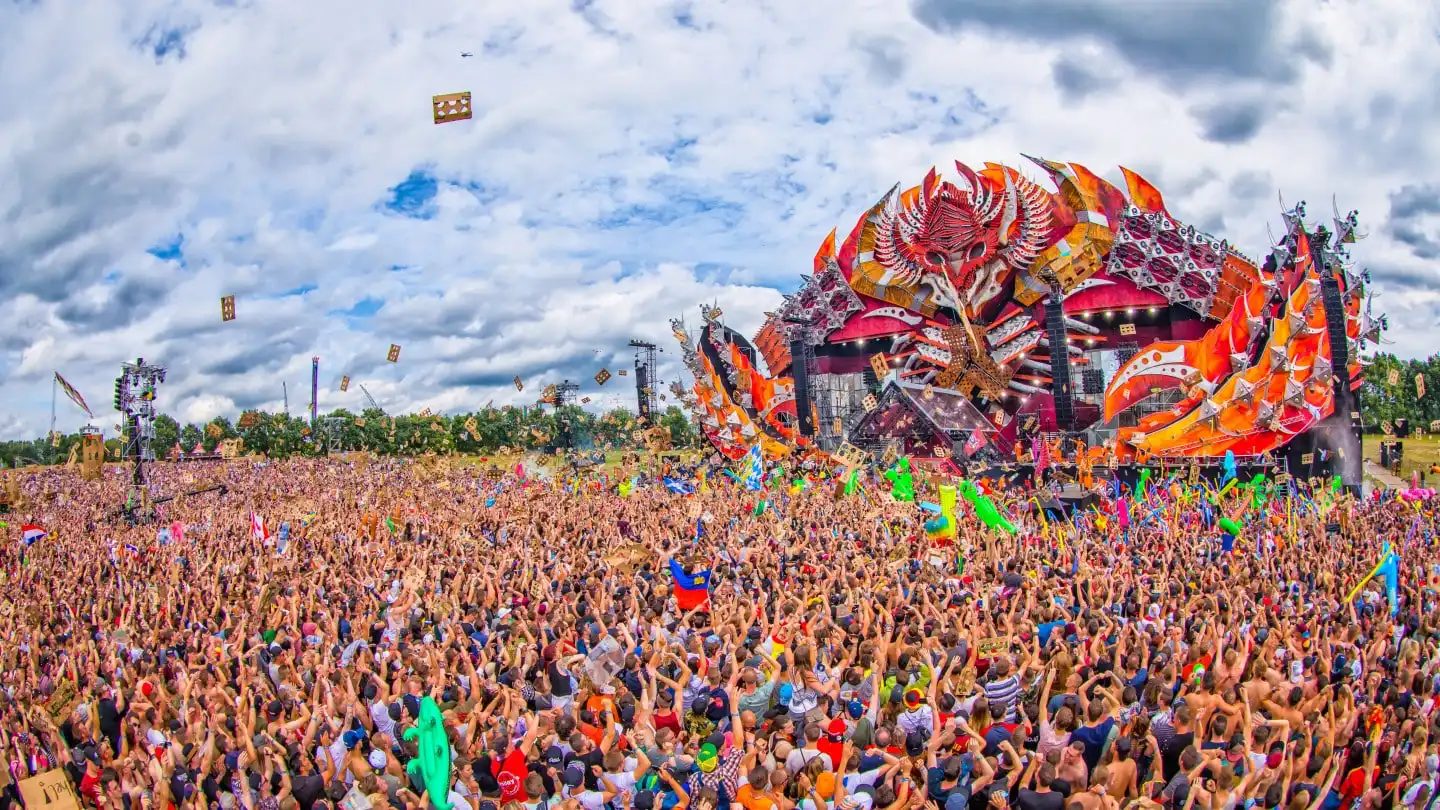
Here’s where it gets interesting. The biggest festivals in the world by attendance aren’t the same as the most internationally recognized ones. Free and civic-sponsored events like Donauinselfest and Mawazine pull millions precisely because there’s no barrier to entry. Remove the ticket price and you immediately multiply your potential audience by an enormous margin. That’s not a flaw in the ranking; it’s a feature worth understanding.
Genre matters too, in ways that shape which festivals end up on which lists. Tomorrowland is the largest music festivals contender in the EDM world, and its entire identity is built around electronic music. Primavera Sound is known for indie and experimental programming. Fuji Rock and Glastonbury carry rock and alternative DNA, even as their lineups have broadened over the years. These huge music festivals draw worldwide music festivals attention from very different audiences, which is why a single ranked list can only tell you so much.
International music festivals also differ significantly in how international their actual audiences are. Coachella draws visitors from Europe, Asia, and Latin America, but the majority of its attendees are still American. Tomorrowland, by contrast, actively allocates tickets by country to keep the crowd genuinely global. Sziget markets itself explicitly as a destination rather than a local event, with English as the on-site default. Worldwide music festivals that are serious about international reach build that into their structure, not just their lineup.
Attendance Estimates vs. Ticketed Capacity
Here’s the part most people miss. When a festival announces an attendance number, it might mean total unique visitors across all days, total entries including people who attend multiple days, or a single-day peak count. Donauinselfest’s 3.3 million figure, certified by Guinness World Records, counts total visitors across three days, not simultaneous attendees. Music festival attendance figures are almost never apples-to-apples comparisons, and the biggest festivals in the world benefit from understanding that distinction before you take any ranking at face value.
Best Choices by Travel Style
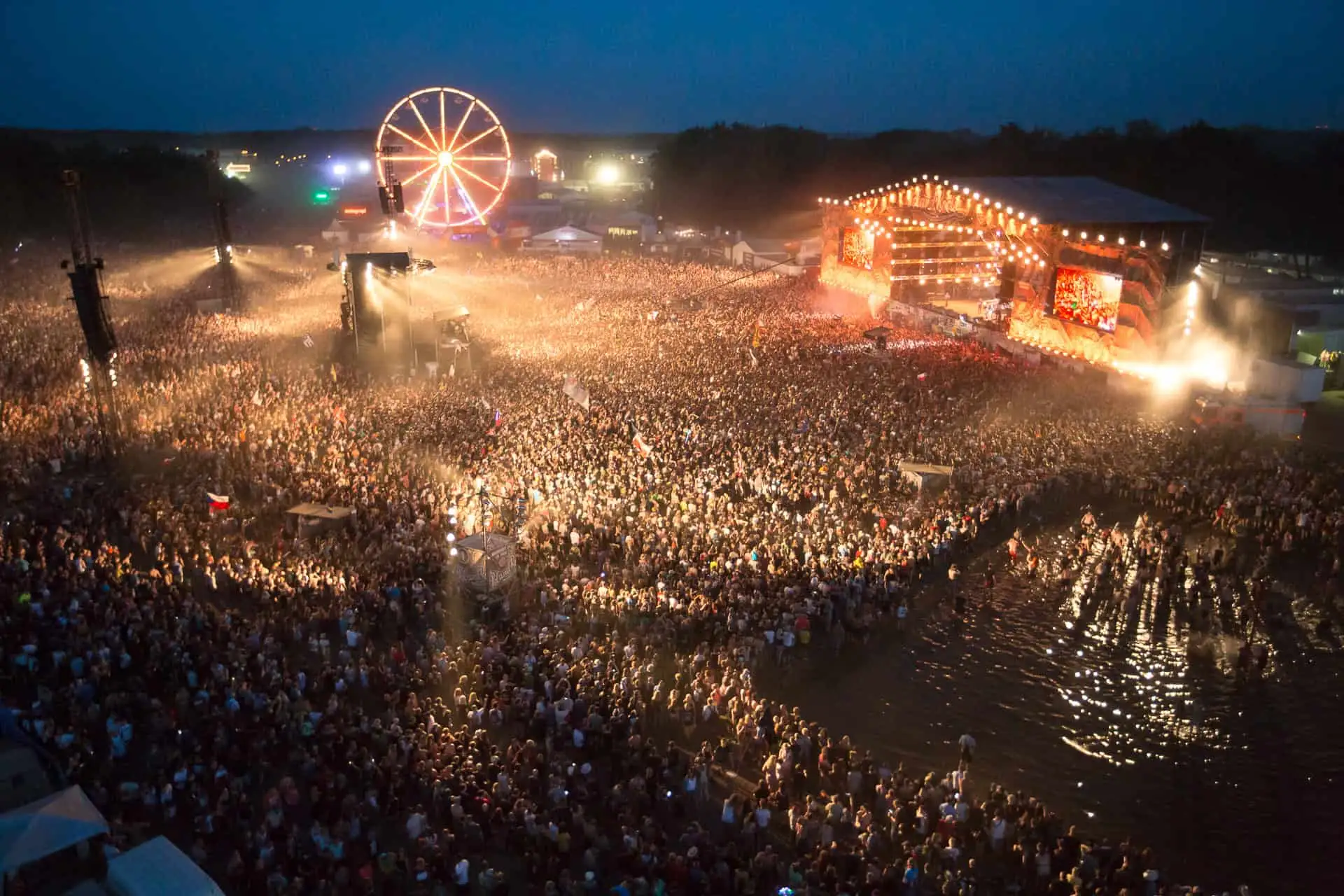
What is the biggest music festival in the world for you, specifically? That depends almost entirely on what kind of trip you want. The best music festival for a solo traveler who loves EDM and wants a fully immersive week-long experience is a completely different answer than the best festivals in the world for a couple who want to combine live music with a city holiday. Neither answer is wrong. They just point to very different events.
For city-based trips, the top festivals in the world that work best are Barcelona (Primavera Sound), Lisbon (Rock in Rio Lisboa), Vienna (Donauinselfest), Austin (SXSW), and Budapest (Sziget). All of these are set within or very close to a major city, which means you can stay in normal accommodation, use public transit, and explore the destination beyond the festival grounds. The best festivals in the world for this travel style don’t require camping or early arrival to secure your spot.
For EDM-focused trips, Tomorrowland is the obvious answer, but it sells out almost instantly. If you miss the initial registration window, all-in travel packages through the official Global Journey program are often the only route in. It’s worth setting a calendar reminder for the registration date. Coachella works for a similar luxury festival experience, though the desert heat, high ticket prices, and accommodation costs in the Coachella Valley make it one of the more expensive famous music festival names on any bucket list.
Camping Trips: Roskilde, Sziget, and Fuji Rock
If camping is the point, not just a logistical necessity, then Roskilde, Sziget, and Fuji Rock are the festivals that do it best. What is the biggest music festival in the world for the camping experience? Roskilde’s eight-day format gives you the longest stretch of festival life in one place, and the communal, nonprofit atmosphere sets it apart from more commercial events. Sziget’s island location creates a natural sense of being somewhere separate from ordinary life for a week. Fuji Rock’s mountain setting adds genuine natural beauty to the mix, even if the weather is unpredictable. All three are worth planning well in advance.
Planning a Trip to a Major Music Festival
After a decade of writing about music and the artists who make it, I’ve learned that the biggest concert festivals punish people who leave planning too late. Accommodation is usually the first thing to disappear, well before the lineup is even announced. If you already know you want to attend a particular festival next year, booking a refundable hotel now is almost always smarter than waiting for the full lineup reveal and then scrambling.
Official tickets versus travel packages is a real choice worth thinking through for the bigger international events. For Tomorrowland, the Global Journey packages bundle flights, hotel, shuttle transfers, and tickets into one booking, which removes a lot of the coordination headache. For Rock in Rio Lisboa, the festival is non-camping and city-based, so you book accommodation independently through normal channels and use public transit. There’s no single right approach. The right one depends on the specific festival’s format and how much you want handled for you.
And don’t underestimate festival travel planning for the free events. Donauinselfest in Vienna is free to attend, but Vienna itself still costs money, and the festival weekend is one of the busiest in the city’s calendar. Big music festivals that don’t charge admission still drive significant hotel demand. Vienna’s 4 and 5-star hotels run at close to 100% occupancy during Donauinselfest weekend. Biggest music events of any kind, free or ticketed, fill cities around them.
Book Hotels Early for Peak Festival Dates
The economic impact of big music festivals on host cities is staggering, and hotel availability is one of the clearest ways you feel it. Mawazine in Rabat drives hotel occupancy for 4 and 5-star properties to 100% during the festival, and retail, restaurant, and transport sectors in the city see an average 30% sales increase across the nine days. That’s not unusual. Every major festival on this list produces a similar effect in its host city. The practical takeaway: if you’re serious about attending any of these events, set a date to book accommodation the moment festival dates are confirmed, not when the lineup drops.
“Together we are striving to build a national show and entertainment industry, which would create significant added-value for tourism and strengthen the economic fabric within the region.”
Abdeslam Ahizoune, President of Mawazine Festival and Maroc Cultures
Frequently Asked Questions
What is the biggest music festival in the world?
By total recent attendance, Mawazine in Rabat, Morocco is currently the biggest music festival in the world, drawing more than 3.75 million visitors over nine days in 2025. By single-location attendance, Donauinselfest in Vienna holds the Guinness World Record with 3.3 million attendees in 2015. By official title, Summerfest in Milwaukee has held the Guinness-certified “World’s Largest Music Festival” designation since 1999. What are the most popular music festivals depends heavily on what you mean by “popular,” so the honest answer is that all three of those events have a legitimate claim depending on the metric. For most travelers, the festivals that feel biggest are Tomorrowland, Coachella, Glastonbury, and Rock in Rio, even though none of them top the raw attendance charts.
Is Coachella the biggest music festival in the world?
No. Coachella is one of the most famous music festival names in the world, and it has a cultural profile that’s completely disproportionate to its actual size. But by attendance, it draws around 250,000 people across two weekends, which puts it well below Mawazine, Donauinselfest, Summerfest, Rock in Rio, Tomorrowland, and Sziget. Music festivals popular enough to dominate social media don’t always dominate attendance charts. Coachella’s outsized reputation comes from celebrity presence, fashion coverage, and media attention rather than its scale as a festival. It’s a genuinely excellent event, but it isn’t the biggest.
What are the biggest music festivals of all time?
The biggest music festivals of all time by single-event attendance include the original Rock in Rio in 1985, which drew an estimated 1.38 to 1.5 million people over 10 days in Rio de Janeiro, and Donauinselfest 2015, which set the Guinness record for single-location attendance with 3.3 million visitors. Woodstock 1969, often treated as the most famous music festival in the world historically, drew around 400,000 people. By current recurring attendance, Mawazine and Donauinselfest consistently outperform every other event on the planet. The distinction between “biggest ever” and “biggest consistently” matters when you’re comparing these events.
Which music festival should I go to?
That depends entirely on what you want from the experience. If you want the best festival for production and electronic music, Tomorrowland is the top music festival for that. If you want a city break combined with an incredible indie and alternative lineup, Primavera Sound in Barcelona or Glastonbury in England are the best rock festivals and broader music experiences in that category. If budget matters and you want something huge and free, Donauinselfest in Vienna or Mawazine in Rabat let you attend world-class performances without a ticket price. For the famous music festival experience that combines luxury, celebrity culture, and a desert setting, Coachella is still the benchmark. The top festivals in the world serve different audiences, so the right choice is the one that matches how you actually want to spend your time.
The Bottom Line on Big Festivals
The biggest festivals ever by attendance aren’t the ones that dominate the conversation. They’re a free event in Vienna, a nine-day showcase in Morocco, and a lakeside marathon in Milwaukee. That gap between cultural visibility and actual scale is one of the more interesting things about the global festival world, and it’s worth knowing before you spend $600 on a Coachella pass and assume you’re attending the world’s biggest event.
The top music festival for you specifically comes down to genre, travel style, budget, and how many days you want to spend in festival mode. The good news is that the global calendar is rich. From the top festivals built around electronic music in Belgium to the folk and indie programmers in Denmark and Japan, there’s a version of this experience designed for almost every kind of music lover.
If you want to keep exploring the world of artists who make music that doesn’t fit neatly into festival categories, Hindi Zahra’s music and story is a good place to start. She’s the kind of artist who reminds you why music crosses borders in the first place, which is really what the biggest festivals ever are trying to do at their best.

Leila Benkacem is a Paris-based music journalist with a decade of writing about the intersection of North African folk traditions and contemporary Western sounds. Born in Lyon to an Algerian family, she grew up between two musical worlds — her father’s cassettes of Berber songs and the French radio jazz of Sunday mornings. She discovered Hindi Zahra through a late-night set at La Maroquinerie in 2011 and has followed her work ever since. Leïla writes about world music, diaspora artists, and the quiet power of music that refuses to be categorized. She created this fan site as a personal archive and a space for others who believe Hindi Zahra’s voice deserves far more of the world’s attention.
Sources
- Guinness World Records. “Largest Attendance at a Music Festival (One Location).” Guinness World Records, 2015.
- Wikipedia contributors. “Summerfest.” Wikipedia, accessed 2026.
- Maroc.ma. “Morocco’s Mawazine Festival Draws Record 3.75 Million Attendees.” Kingdom of Morocco National Portal, 2025.
- Wikipedia contributors. “Mawazine.” Wikipedia, accessed 2026.
- Encyclopaedia Britannica. “Glastonbury Festival.” Britannica, accessed 2026.
- Hespress English. “Morocco’s Summer Festival Economy, Explained.” Hespress, 2024.